
Ceylon and cassia are two different plants that share the name “cinnamon powder.” Ceylon, grown mainly in Sri Lanka, has a lighter color and a delicate sweet flavor. It also carries naturally low coumarin content. Cassia is darker, bolder, and cheaper. It runs much higher in coumarin, though, a compound that matters if you use cinnamon daily.
By Carl J., Owner, Mivoro · Last updated 25 September 2026
How Much Does Cinnamon Powder Cost?
Cassia cinnamon powder is generally cheap. Farmers grow it at scale in several countries, so it shows up widely in grocery stores. Ceylon cinnamon powder usually costs more. Farmers harvest the tree mostly in Sri Lanka, and workers peel and process the bark by hand. Mivoro’s Ceylon Cinnamon Powder costs $7.99 for 50g and $13.99 for 100g. That is a normal price range for genuine single-origin Ceylon cinnamon. A cassia blend sold under a Ceylon label typically costs less.
How Do You Use Cinnamon Powder?
Cinnamon powder works in both sweet and savory cooking. It stirs into coffee, tea, and smoothies, and it gets sprinkled over oatmeal, yogurt, toast, or fresh fruit. In baking, it is a standard ingredient in muffins, cakes, and breads. In savory cooking, it shows up in curries and simmered sauces. This is especially true in South Asian and Middle Eastern dishes. There, warm spice forms part of the base flavor rather than an afterthought. If you prefer whole sticks instead, they work well for tea, mulled drinks, and slow-simmered dishes you can strain them out of.
How Can You Tell Ceylon and Cassia Cinnamon Powder Apart?
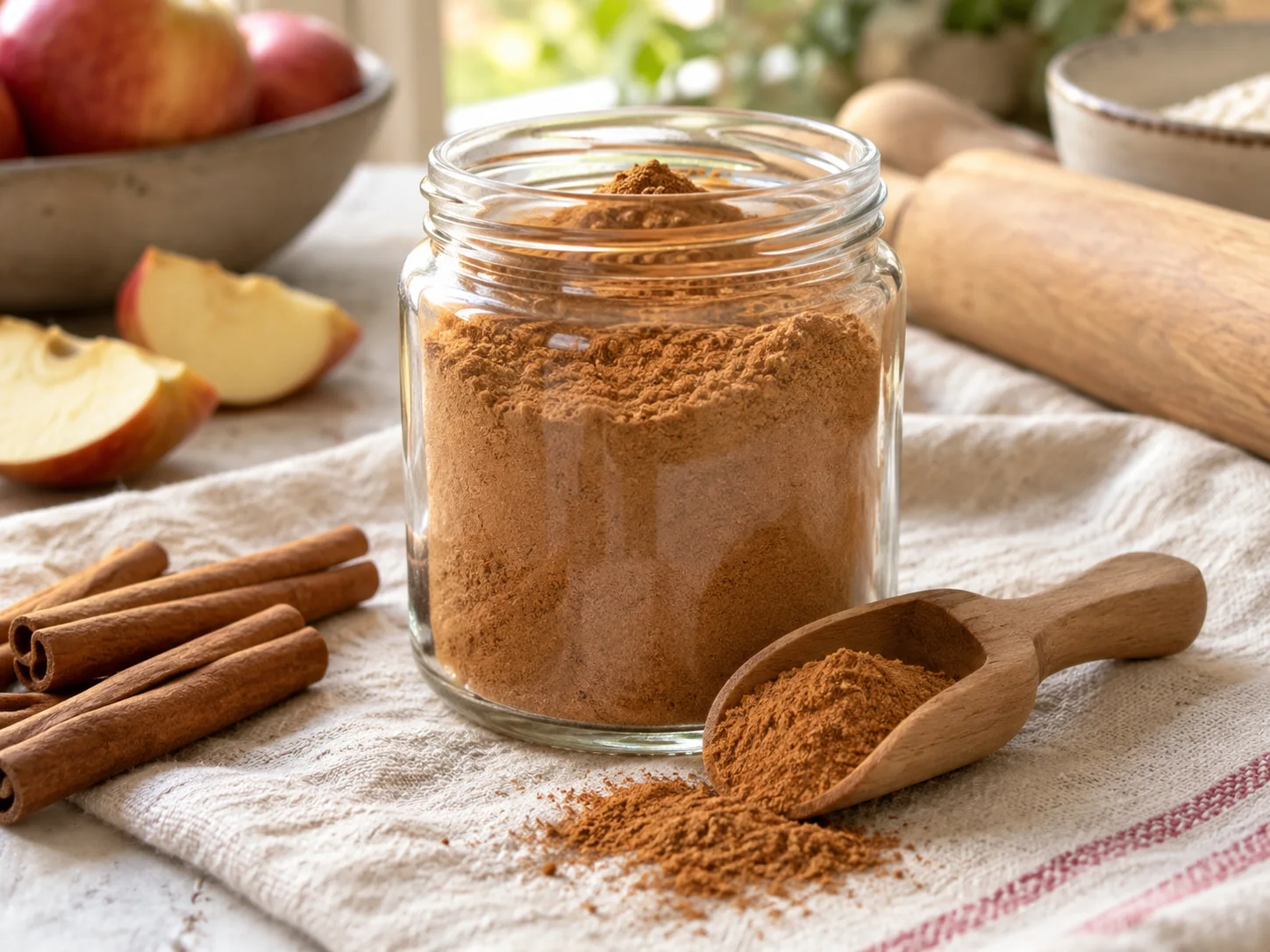
Color is the fastest clue. Ceylon cinnamon powder is a lighter tan brown with an almost yellowish tone. Cassia is a darker reddish brown (Tasting Table’s guide to spotting fake cinnamon). Flavor is the more reliable test, though. Ceylon has a delicate, mildly sweet taste with soft floral and citrus notes. Cassia is bolder and spicier, with a much stronger cinnamon punch and a slightly bitter edge. A recipe or a cup of coffee that tastes sharply hot and intense from cinnamon is very likely cassia. It is probably not Ceylon.
Is Ceylon or Cassia Cinnamon Powder Better for Daily Use?
For occasional cooking, either type works fine. For daily use, though, Ceylon is the better choice. The reason comes down to a compound called coumarin. Cassia cinnamon contains roughly 1 percent coumarin, while Ceylon contains only about 0.004 percent, around 250 times less. Occasional cooking uses such small amounts that coumarin poses little concern either way. Daily use is different. European food safety guidance sets a tolerable daily intake of about 1.5mg for a 60kg (132 pound) adult. The USDA has suggested keeping cassia cinnamon intake to about half a teaspoon a day or less. This is a general precaution (Healthline’s overview of cinnamon’s coumarin content and safe intake). Because Ceylon’s coumarin level runs so much lower, it is the more forgiving option. That matters most for anyone adding cinnamon to coffee or smoothies every single day. It matters less for occasional use in a recipe.
Where Should You Buy Ceylon Cinnamon Powder?
A lot of cinnamon sold as generic “cinnamon powder” in grocery stores is actually cassia. Because of that, the safest way to buy genuine Ceylon is from a seller who names Ceylon specifically. Look for a label that states Sri Lanka as the origin. It should also list Cinnamomum verum, the botanical name for true cinnamon. Avoid a generic “cinnamon” label with no species named. Buying directly from the brand’s own site, rather than an unverified third-party listing, also helps. It reduces the odds of getting a cassia blend mislabeled as Ceylon.
How Should Cinnamon Powder Be Stored, and How Long Does It Keep?
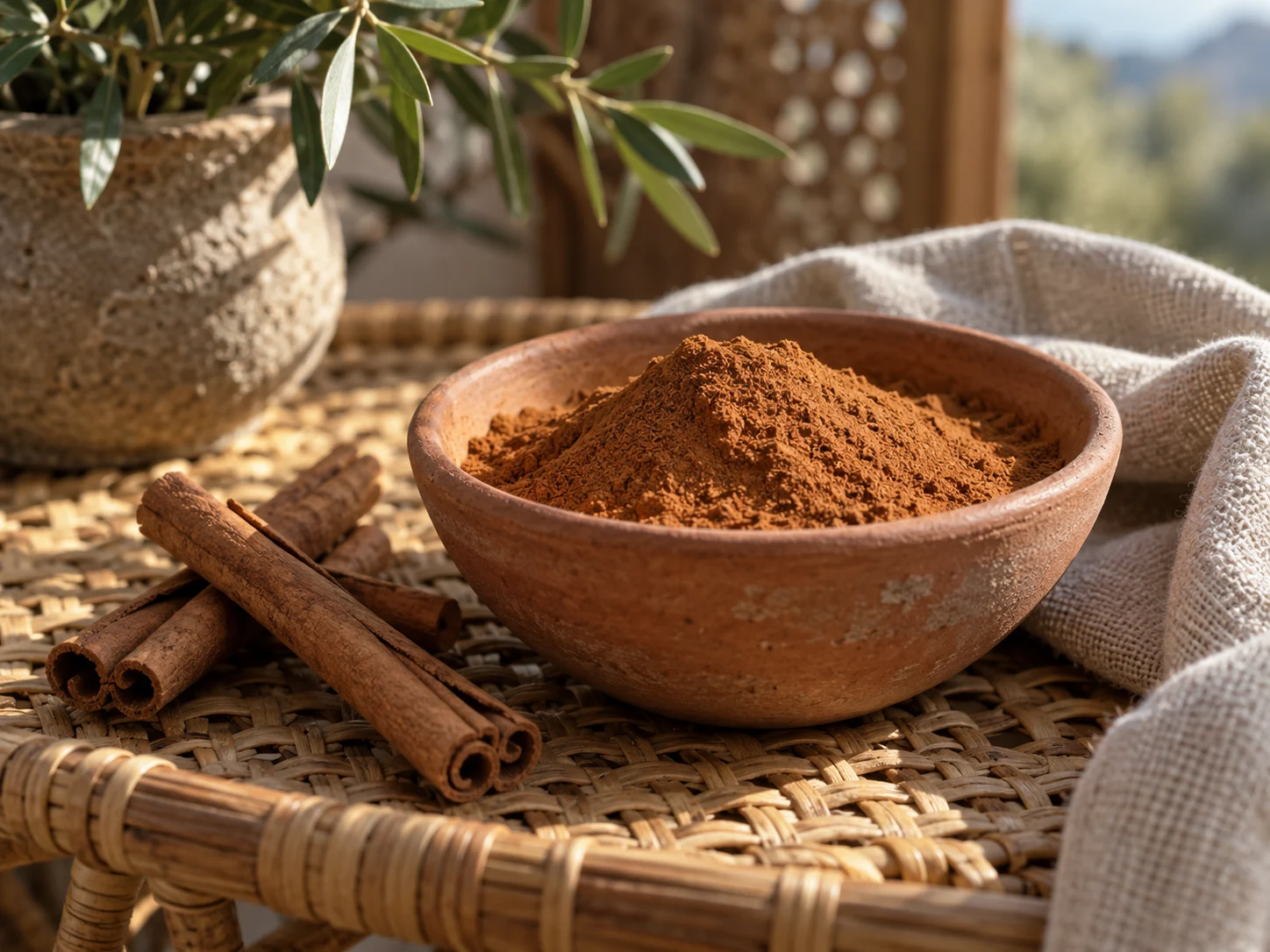
Keep cinnamon powder in an airtight container in a cool, dark place away from heat, light, and moisture. All three cause spices to lose aroma faster. Stored this way, ground cinnamon generally holds good flavor for around two to three years. It does not spoil outright. It simply fades in strength and aroma over time. If it smells faint rather than warm and sharp when you open the container, that is a sign to replace it. It is not a food safety concern.
Frequently Asked Questions
What is the difference between Ceylon and cassia cinnamon powder?
Ceylon cinnamon is lighter in color and delicately sweet, and it carries naturally low coumarin. Cassia is darker, bolder, cheaper, and much higher in coumarin. They come from different trees: Cinnamomum verum for Ceylon and Cinnamomum cassia for cassia. Both sell under the same “cinnamon” name.
How much does cinnamon powder cost?
Mivoro’s Ceylon Cinnamon Powder is $7.99 for 50g and $13.99 for 100g. Cassia cinnamon is typically cheaper and more widely available. Genuine Ceylon commands a higher price because of its more limited, hand processed supply.
Which cinnamon powder is better for everyday use?
Ceylon is generally the better choice for daily use. It carries much lower coumarin content, around 250 times less than cassia. Cassia is fine occasionally, but health guidance suggests limiting it to about half a teaspoon a day or less.
How should cinnamon powder be stored and how long does it keep?
Store cinnamon powder in an airtight container in a cool, dark, dry place away from heat and light. It generally holds good flavor for about two to three years, gradually losing aroma and strength rather than spoiling.
Is your cinnamon powder Ceylon or cassia?
Mivoro’s Ceylon Cinnamon Powder is 100 percent Ceylon cinnamon, sourced from Sri Lanka. It has no cassia blended in and nothing added.
A Note on Sourcing
Mivoro’s Ceylon Cinnamon Powder is 100 percent Ceylon cinnamon from Sri Lanka, with no cassia and no additives.