
Sri Lankan Whole Clove: How to Judge Quality
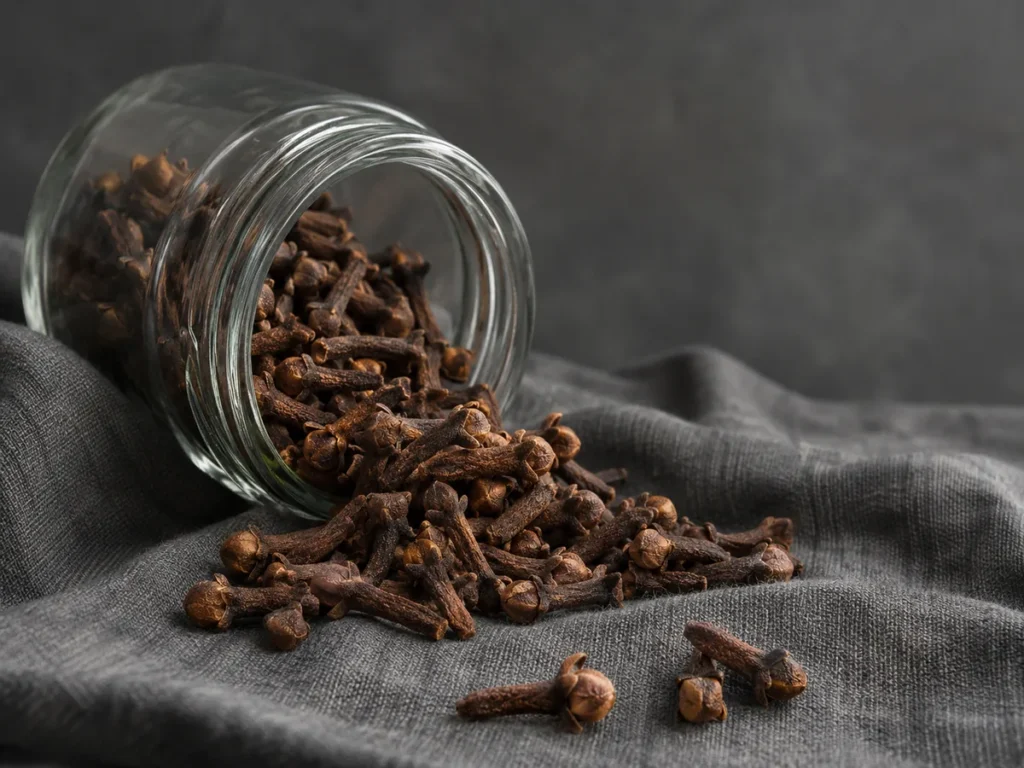
A good Sri Lankan whole clove is a plump bud with its round head, a strong smell, and a trace of oil under a fingernail. This guide covers how to judge a bud, spot old cloves, and read the float test, plus what our own page does and does not say. By Carl J., Owner, […]
Premium Moringa Powder: Taste, Color, and Daily Use
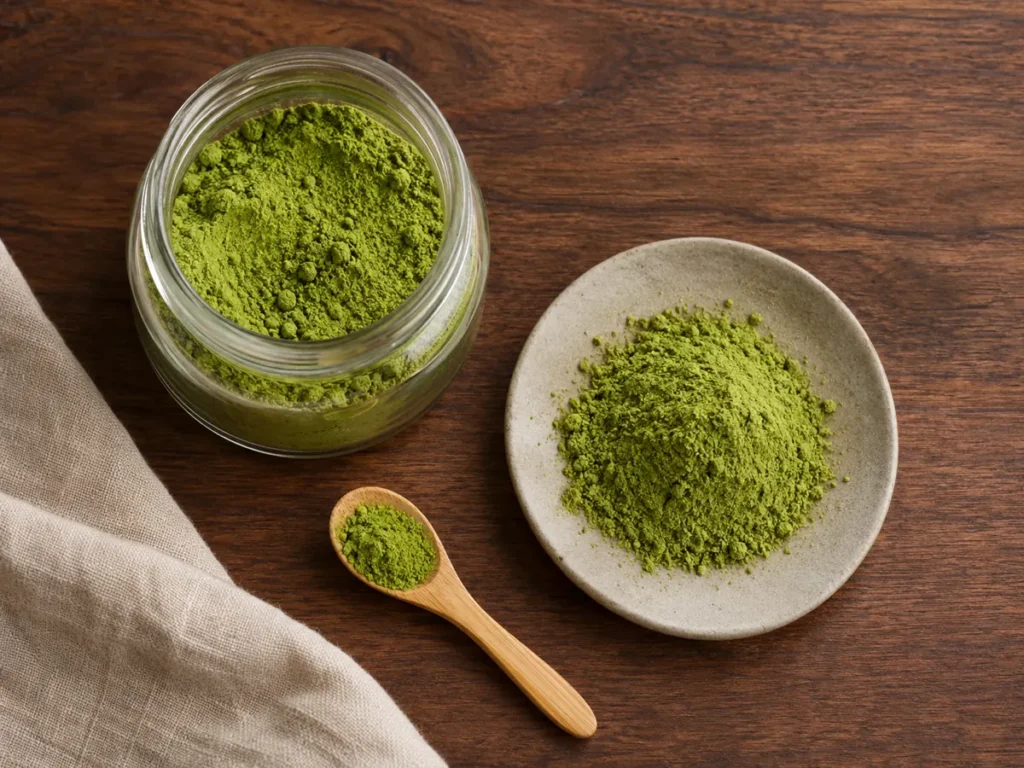
Premium moringa powder comes from the finely milled leaves of the Moringa oleifera tree. Mivoro describes its version as mild, earthy, and green. This guide covers the taste, the color to expect on opening, and how to use it in food and drinks. It also covers what our own page does and does not say. […]
Cinnamon Sticks: How to Choose, Use, and Store Them
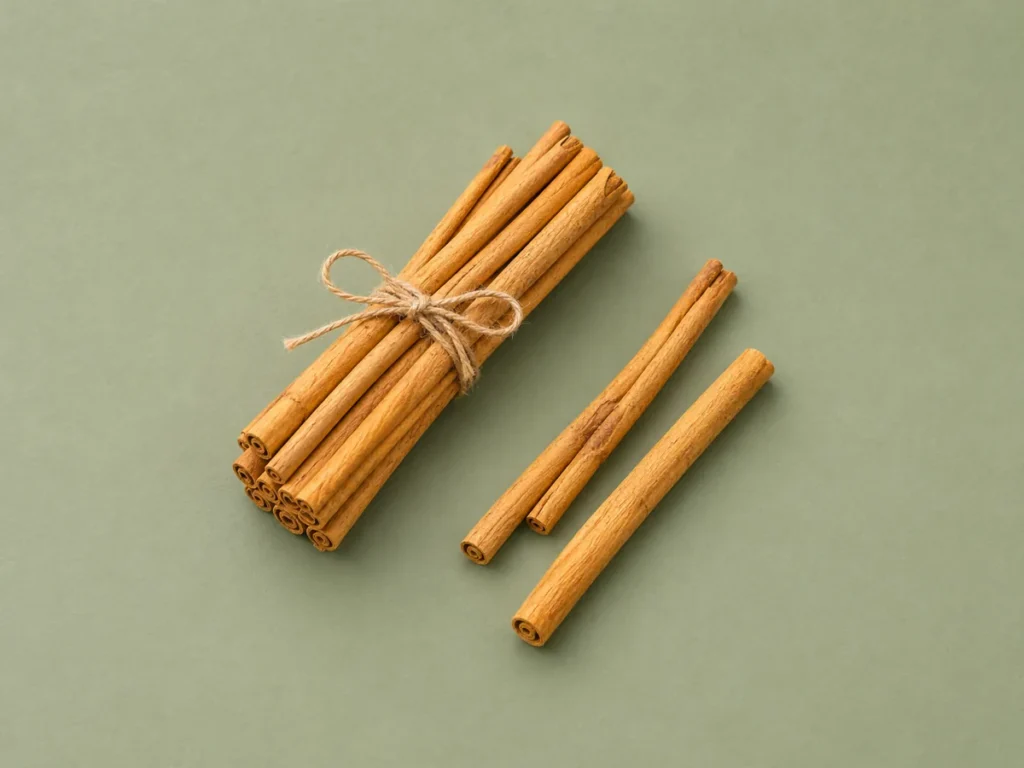
Cinnamon sticks come from rolled bark. You steep them in hot liquid and lift them out, rather than eating them. This guide covers tea, mulled drinks, and cooking. It also covers what to check before you buy, and what Mivoro’s two stick pages do and do not say. By Carl J., Owner, Mivoro · Last […]
Fresh Ground Cinnamon Powder: Where to Buy It
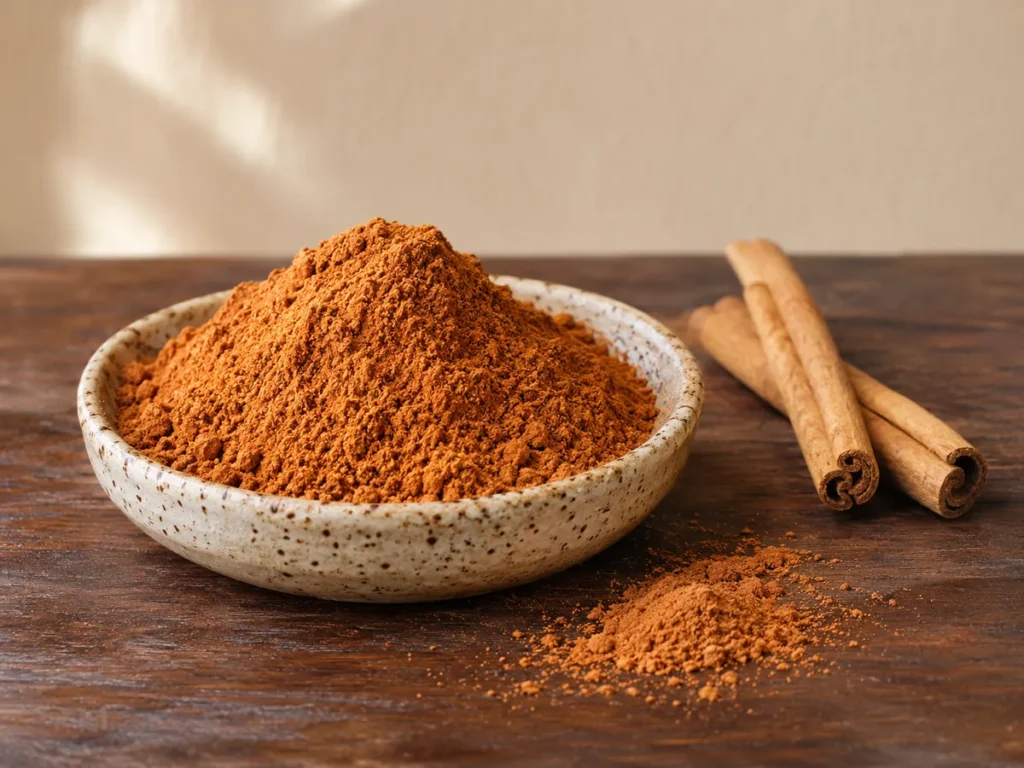
Fresh ground cinnamon powder is easiest to find when the seller tells you what is in the pack and how recently it was packed. This guide covers where to buy it online, how to judge freshness once cinnamon is ground, and what Mivoro does and does not say about its powders. By Carl J., Owner, […]
Cinnamon Quills vs Cassia Bark: Spot the Difference
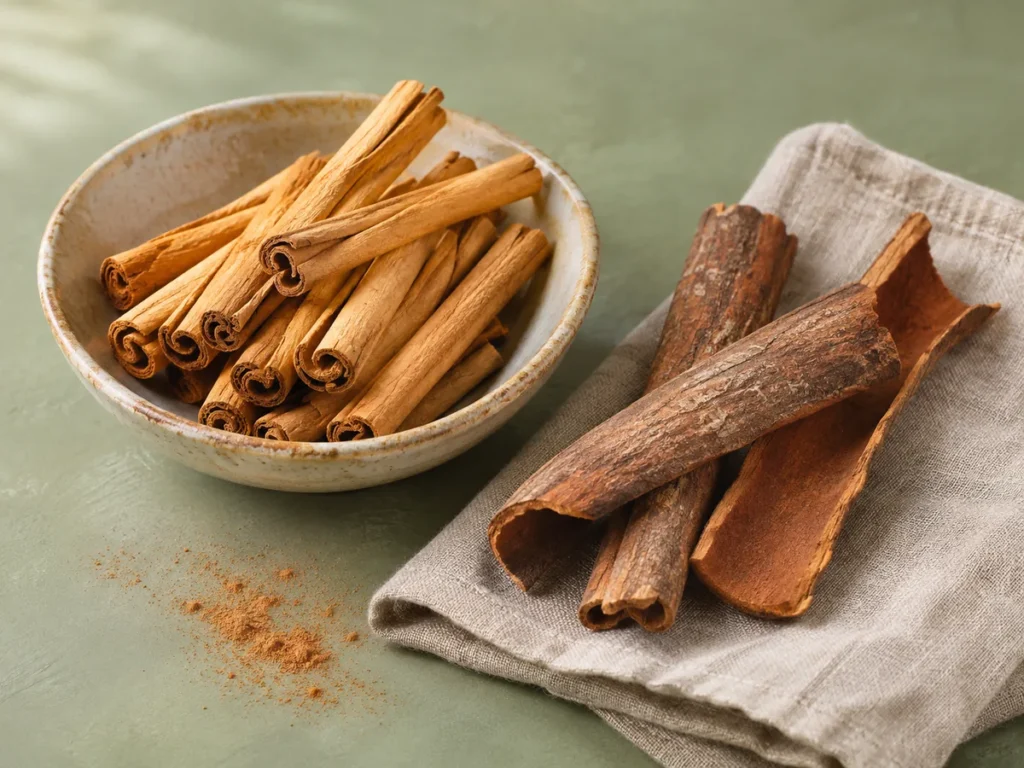
Cinnamon quills vs cassia bark comes down to how thin and layered the stick is. Ceylon quills are soft, tightly rolled, and tan, while cassia bark is thick, hard, and dark. This guide covers how they differ, whether to buy sticks or ground, and how long each keeps. By Carl J., Owner, Mivoro · Last […]
Organic Spice Powders: What the Label Really Covers
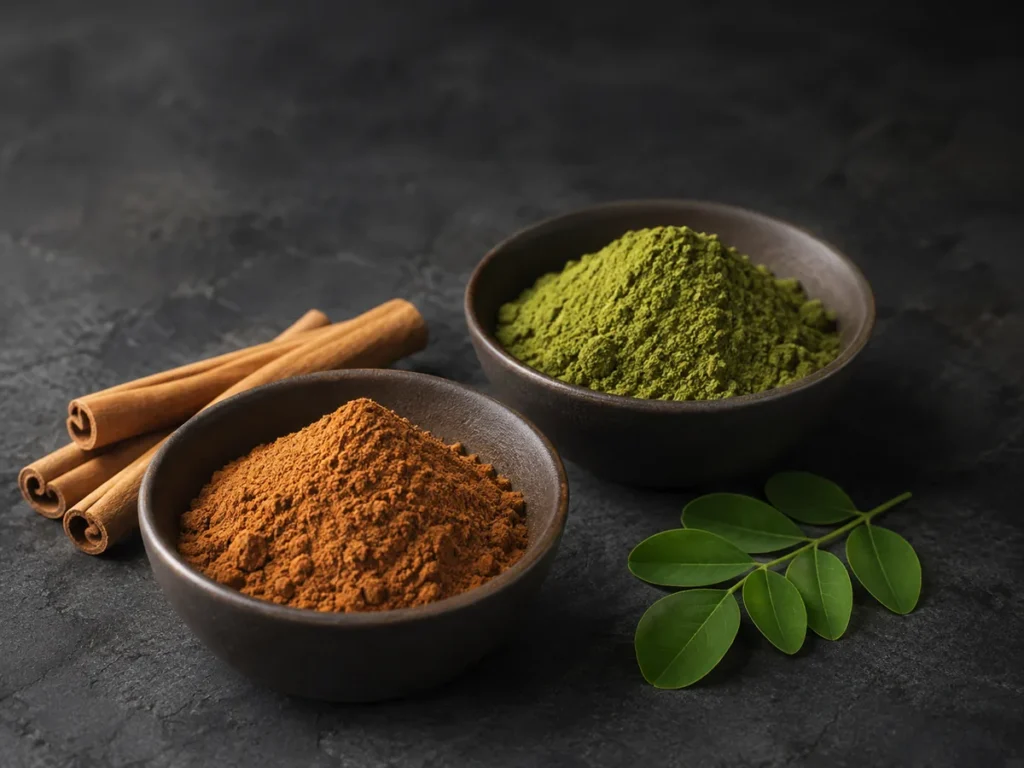
Organic spice powders carry a legal label about farming and handling, and it says little else about what is in the pack. This guide explains what the label covers, how to check it, and where Mivoro’s cinnamon and moringa powders stand on certification. By Carl J., Owner, Mivoro · Last updated 10 November 2026 What […]
Ceylon Cinnamon Grades Explained: A Full Chart
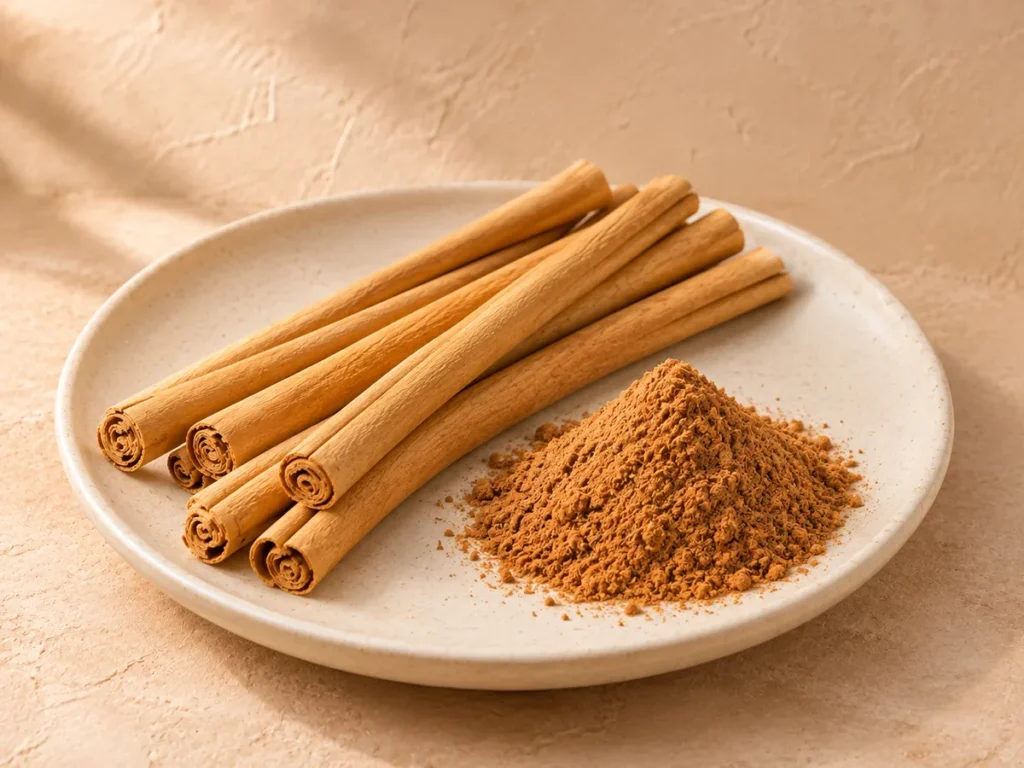
Ceylon cinnamon grades sort quills mostly by size, from the thin Alba grade to the thick Hamburg grades. This guide sets out the full chart, explains the C5 and C4 codes, and shows what a grade does and does not tell you before you buy. By Carl J., Owner, Mivoro · Last updated 09 November […]
Ceylon Cinnamon Sourcing: From Sri Lanka to the Jar
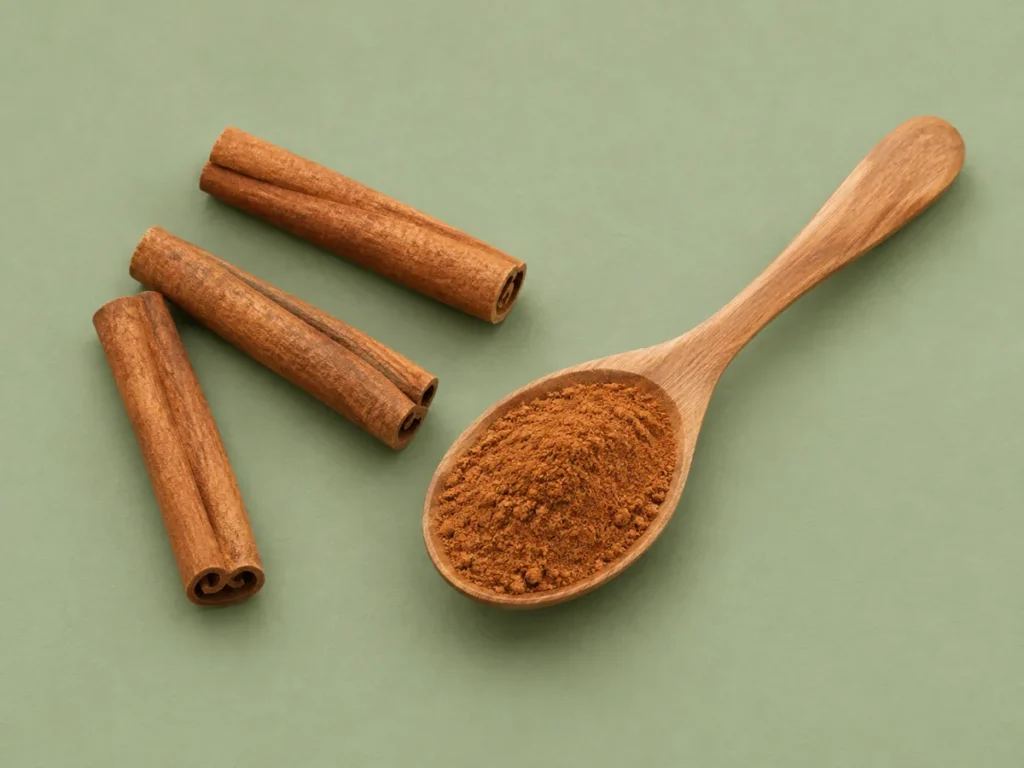
Ceylon cinnamon sourcing starts in Sri Lanka, where workers peel the bark of Cinnamomum verum, roll it into quills, and dry it before it reaches a jar. This guide follows that path, shows how often labels and contents fail to match, and sets out what Mivoro says about its own supply. By Carl J., Owner, […]
Ceylon Cinnamon Tea: Which Form Brews Best?
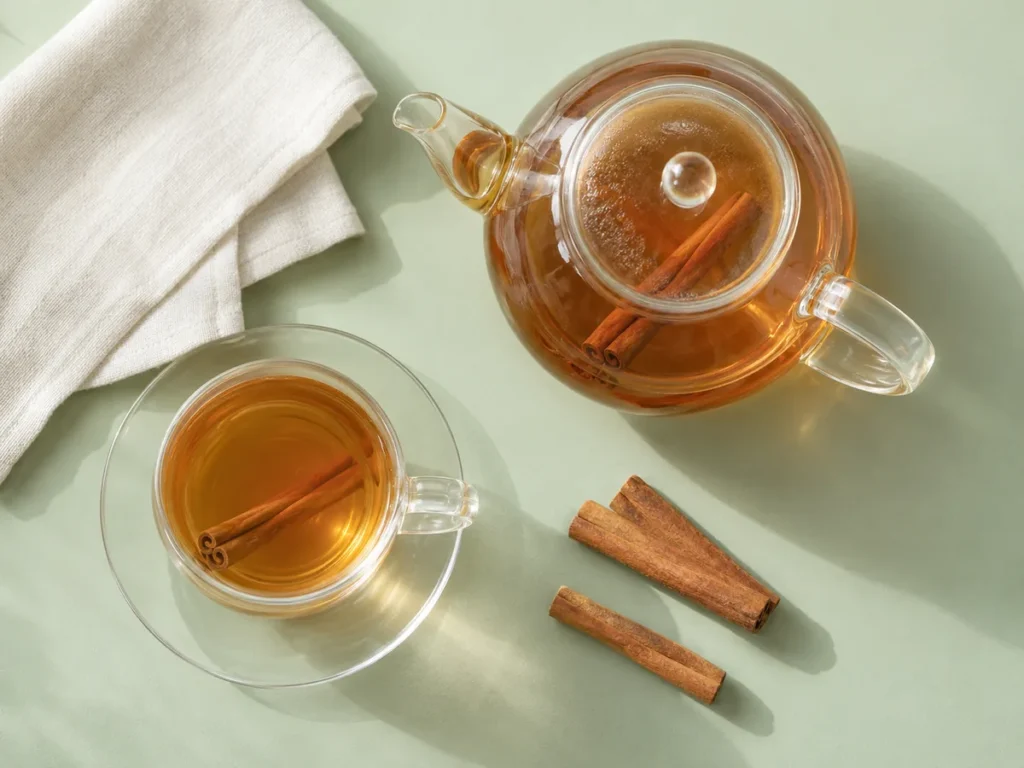
Ceylon cinnamon tea is easiest to make from whole quills: break one up, pour boiling water over it, cover the cup, and let it steep. Ground cinnamon and tea bags work too, each with its own trade-offs. This guide covers which form suits you, which cinnamon to buy, and where Mivoro’s tea bags fit in. […]
Ceylon Cinnamon Brand Comparison: What to Check
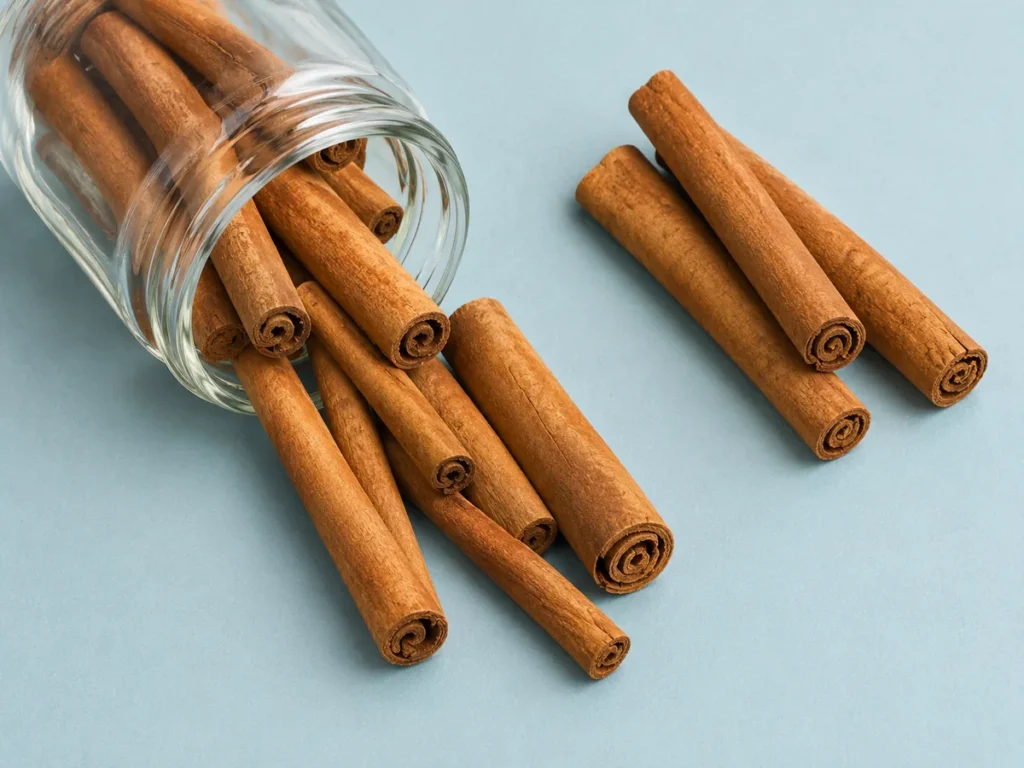
A Ceylon cinnamon brand comparison works best when you line every brand up on the same few facts, not on photos or promises. Species, form, grade, origin, freshness, testing, and price per gram tell you far more than a label’s adjectives. Here is how to compare fairly, and how Mivoro measures up on the same […]