
In the Ceylon vs cassia cinnamon debate, coumarin is the main safety difference. The two spices come from different trees. Cassia contains far more of this natural compound, while Ceylon contains only trace amounts. For an occasional sprinkle, either one works. For daily use, Ceylon is the more forgiving choice.
By Carl J., Owner, Mivoro · Last updated 05 October 2026
How Do Ceylon and Cassia Cinnamon Differ?
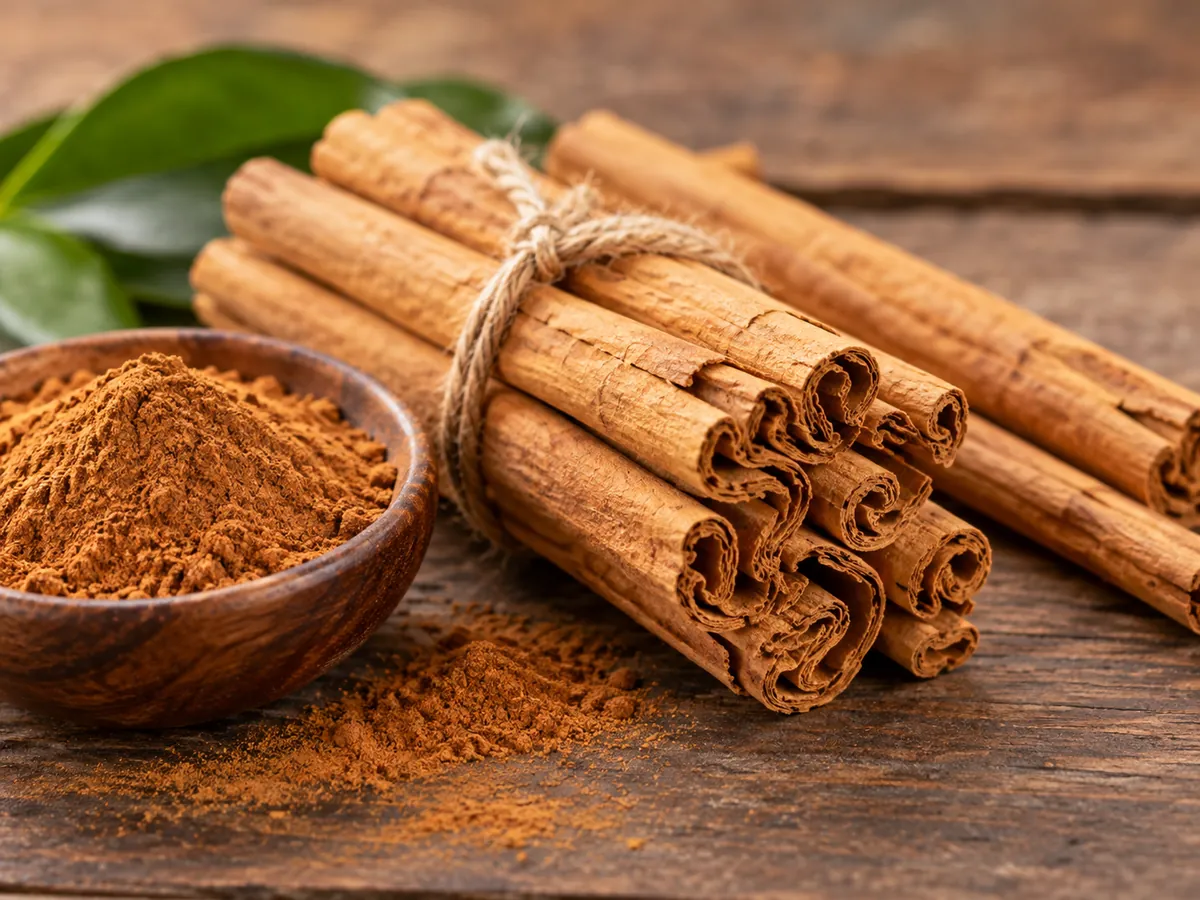
Ceylon cinnamon comes from Cinnamomum verum, a tree native to Sri Lanka. Its bark is thin, tan, and layered, and it rolls into soft, papery quills. The flavor is mild and sweet, with soft citrus notes. Ceylon costs more because workers peel and roll the bark by hand.
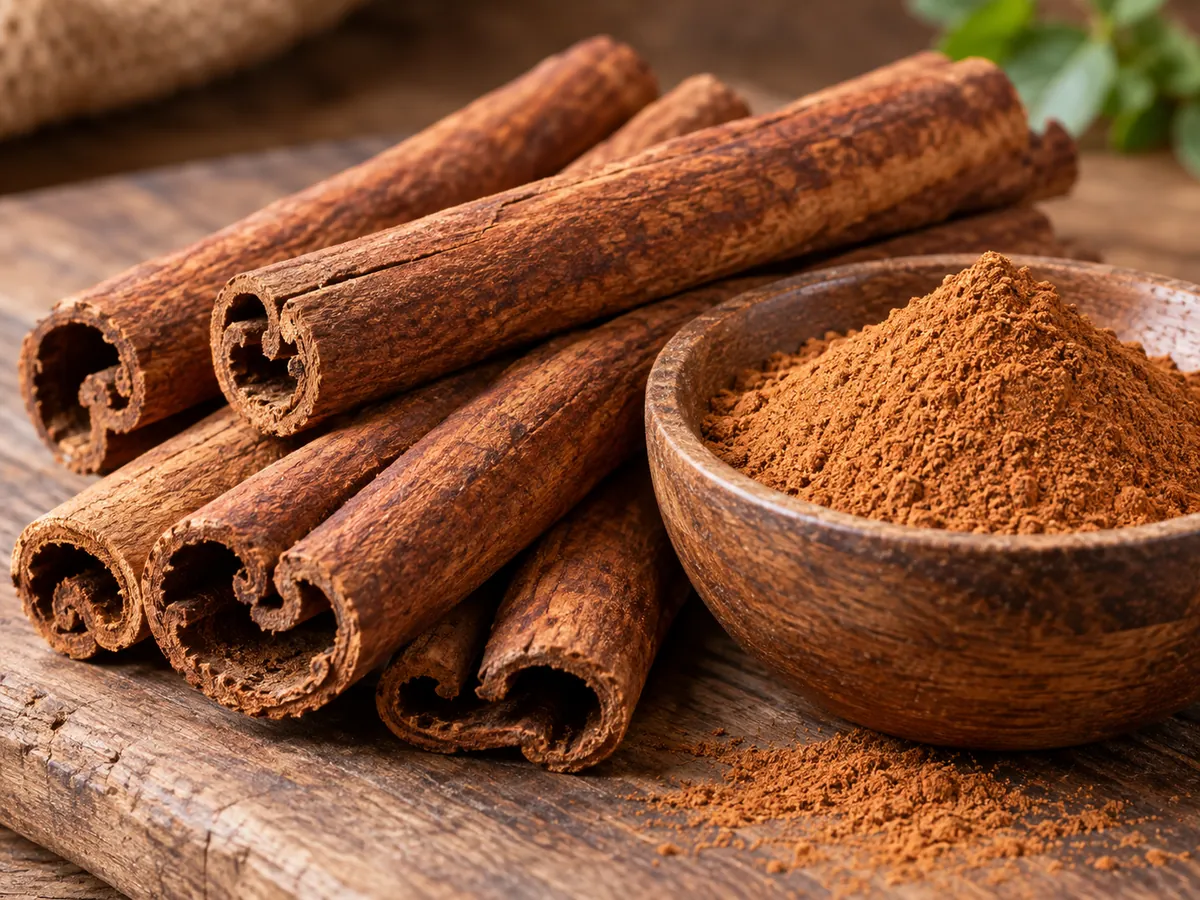
Cassia is the bold, dark cinnamon most people know from the grocery store. It comes from Cinnamomum cassia, a tree that originated in southern China, so many people call it Chinese cinnamon. Indonesia and Vietnam also grow cassia, which they sell as Korintje and Saigon cinnamon.
The bark is thick, rough, and reddish brown. The flavor is strong and spicy, and the price is low. Healthline’s comparison of Ceylon and cassia calls cassia the type most people around the world eat.
Why Does Coumarin Change the Safety Picture?
Coumarin is a natural aroma compound found in cassia bark. Ceylon carries only a trace. The exact numbers depend on the sample and the lab, so published figures differ.
Healthline puts cassia at about 1 percent coumarin and Ceylon at 0.004 percent, roughly 250 times less. Austria’s food safety agency measured 1,880 to 3,260 mg per kg in its cassia samples. Its Ceylon samples topped out at 185 mg per kg (AGES coumarin overview). The agency describes that gap as about a hundredfold. Either way, the difference is large.
Cassia is a normal food, and a pinch in oatmeal or a batch of cookies is not a worry. The concern is heavy use every day. European regulators set a tolerable daily intake of 0.1 mg of coumarin per kg of body weight. That works out to about 6 mg a day for a 60 kg adult and about 2 mg for a 20 kg child. A tolerable daily intake describes what a person can take in every day over a lifetime without appreciable risk. It works as a long term guide, not a cliff.
Daily amounts add up, though. As a rough illustration, 6 mg of coumarin matches about 2 to 3 grams of cassia powder at the AGES sample levels. A level teaspoon of ground cinnamon weighs about 2.5 grams. Cinnamon in coffee, oatmeal, a smoothie, and a baked snack can reach that mark quickly.
Ceylon vs Cassia Cinnamon: Which Is Safer?
Ceylon is safer for anything you eat daily, such as coffee, oatmeal, and smoothies. Its coumarin level is far lower, so it leaves much more room under the daily limit. Cassia works well when you want bold flavor in an occasional dish.
You do not need to avoid cassia entirely. You just need to know which jar you are holding.
How Do You Swap One for the Other in Recipes?
The swap works in most recipes, but the flavor shifts. Ceylon tastes mild and sweet, with soft citrus notes. Cassia tastes stronger, hotter, and a little more bitter.
When you use Ceylon in place of cassia, add a bit more and taste as you go. When you use cassia in place of Ceylon, start with less so the heat does not take over. Many cooks keep cassia for long, savory dishes like curries. They reach for Ceylon in desserts, drinks, and everyday sprinkling.
How Can You Tell Which Cinnamon Is in Your Jar?
Most supermarket jars hold cassia. Healthline notes that almost all cinnamon sold in supermarkets is the cassia variety. Many labels say only “cinnamon” or “ground cinnamon” and name no species. Saigon and Korintje labels still mean cassia.
To find Ceylon, look for the word Ceylon, the name Cinnamomum verum, or Sri Lanka as the origin. Mivoro’s Ceylon Cinnamon Powder and Ceylon Cinnamon Sticks both name the species and the origin. You can see them next to the other options in the Mivoro cinnamon collection. For a closer look at the ground form, read our Ceylon and cassia cinnamon powder guide.
Frequently Asked Questions
What is cassia cinnamon?
Cassia is the thicker, darker cinnamon from Cinnamomum cassia and related trees. China, Indonesia, and Vietnam grow most of it. People also call it Chinese cinnamon, and it fills most spice jars on supermarket shelves.
How much coumarin does cassia contain?
It depends on the sample. Healthline cites about 1 percent by weight. Austrian lab testing found 1,880 to 3,260 mg per kg, or roughly 0.2 to 0.3 percent. Both sources put Ceylon far lower.
Is cassia unsafe in daily amounts?
Not in normal cooking. Heavy daily use is the concern, because coumarin builds toward the limit European regulators set. If cinnamon goes into your coffee, oatmeal, and smoothies every day, Ceylon is the easier fit.
Which is in most supermarket cinnamon?
Cassia. A label that only says cinnamon almost always means cassia, so look for Ceylon or Cinnamomum verum when you want the true kind.
Can you substitute one for the other?
Usually, yes. Match the strength by using a little more Ceylon or a little less cassia, and taste before you serve.
A Note on Sourcing
Mivoro sources its Ceylon cinnamon from Sri Lanka and sells it with no cassia and no additives. Mivoro does not currently publish third party coumarin test results. The low coumarin point in this article rests on the species, not on a lab number for any single batch.
This article shares general food information, not medical advice. Coumarin may affect the liver at high intakes. Talk to a healthcare provider about daily cinnamon use if you have a liver condition or take medication.