
Organic spice powders carry a legal label about farming and handling, and it says little else about what is in the pack. This guide explains what the label covers, how to check it, and where Mivoro’s cinnamon and moringa powders stand on certification.
By Carl J., Owner, Mivoro · Last updated 10 November 2026
What Makes a Spice Powder Organic?
A spice powder is organic only when a certified operation grew and handled the plant to USDA organic rules. The USDA calls organic a labeling term, and an accredited certifying agent verifies it (USDA on organic standards).
On the farm, the land must have gone at least three years without prohibited substances before harvest. Growers control pests, weeds, and disease mainly through physical, mechanical, and biological methods. Synthetic substances are a fallback, and only those on the USDA’s National List qualify. Genetic engineering and sewage sludge are off limits too. The rules describe a method, not a result.
What Does Organic Mean on a Spice Powder Label?
Three label tiers exist, and NSF lays them out. A product labeled 100 percent organic holds only organic ingredients and processing aids, not counting water and salt. One labeled organic holds at least 95 percent organic ingredients. One labeled made with organic holds at least 70 percent, can name up to three organic ingredients, and cannot carry the USDA seal (NSF on organic labeling requirements). For a single ingredient powder, the 100 percent tier is the one to look for.
Below 70 percent, the word organic cannot appear on the front of the pack. NSF also says that using the term on food for people to eat requires certification. An uncertified powder cannot claim it, however the packaging looks.
Is Organic Cinnamon Powder Worth It?
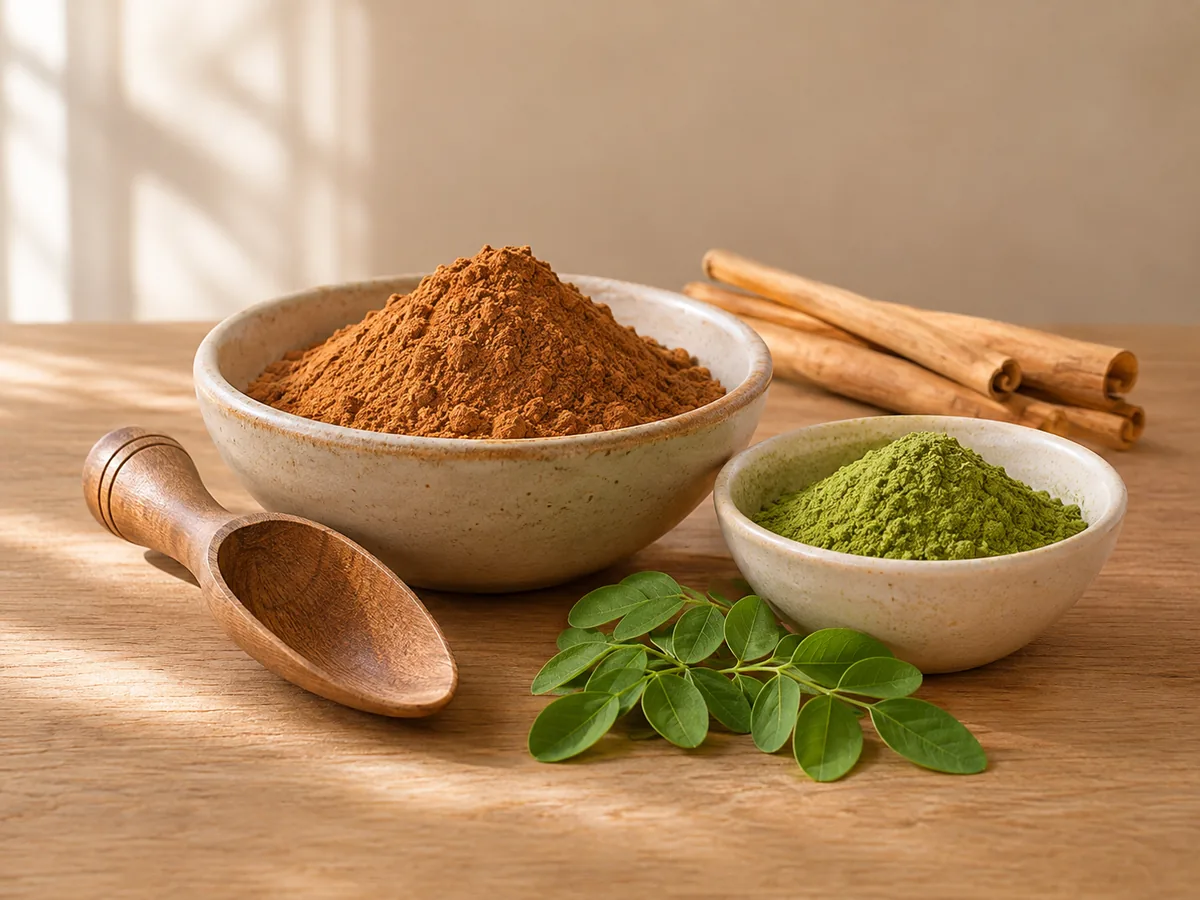
That depends on what you want the label to tell you. Organic describes how a plant was grown, and it does not say which cinnamon is in the pack. Healthline reports that almost all supermarket cinnamon is cassia, so an organic seal on a powder can still sit on cassia (Healthline on Ceylon vs cassia cinnamon). Check the species first, then decide whether organic matters to you. Our guide to Ceylon vs cassia cinnamon covers the difference.
Where Do Mivoro’s Powders Fit?
Neither of our powders is certified organic, and we make no organic claim about either. Our Ceylon cinnamon powder lists 100 percent Ceylon cinnamon with nothing added. Our premium moringa powder lists 100 percent moringa leaf with nothing added. Both come from Sri Lanka, and neither page shows reviews yet. We do not publish third party lab results for either powder.
So if certified organic is your requirement, our powders are not the match. If you want a plain, single ingredient powder, they are. Our Organic Buying Guide draws the same line for the whole range, and our guide to quality moringa powder covers what to look for in that one.
Which Organic Spice Powders Are Worth Buying?
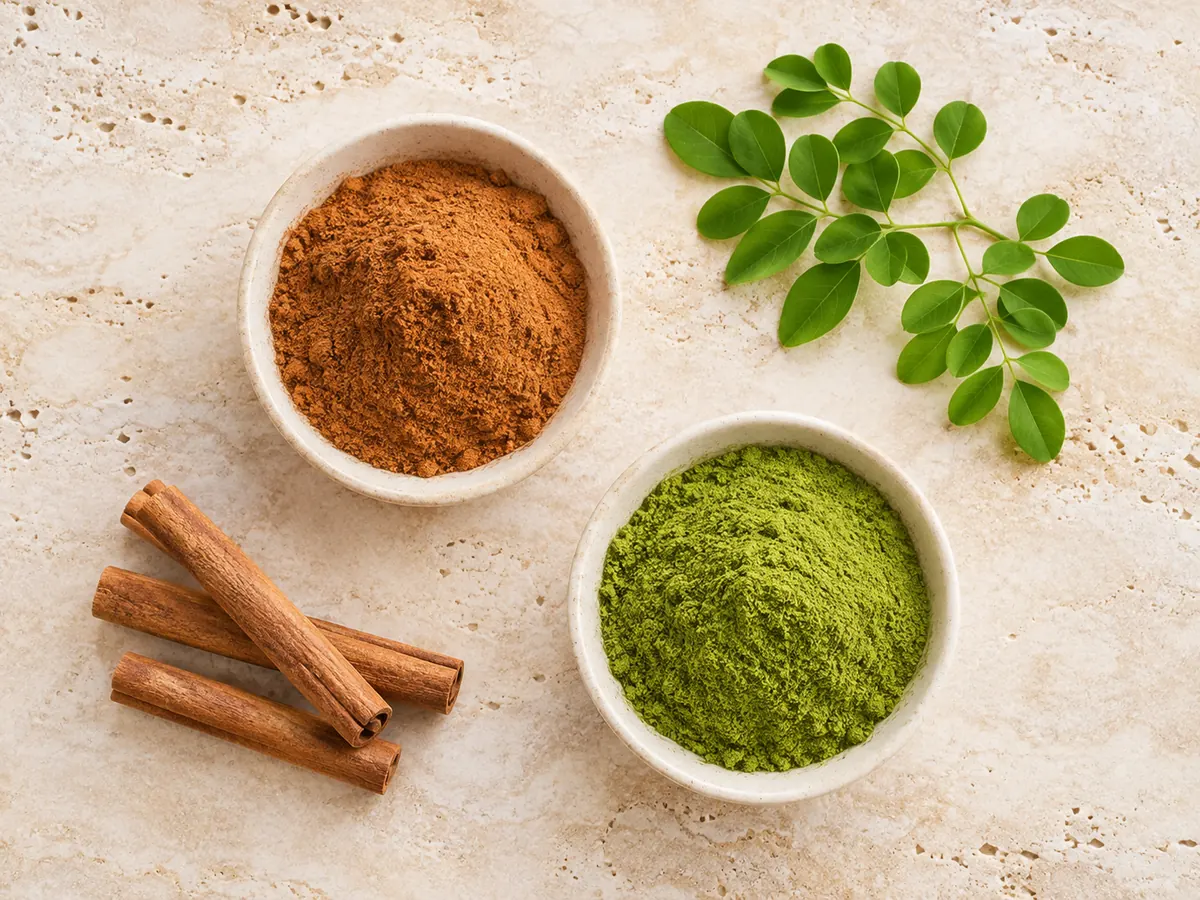
The ones you can verify and will use while they are fresh. Start with the USDA seal and the certifier’s name on the pack. Then look the operation up in the Organic Integrity Database, which the USDA’s National Organic Program lists as the certification status of organic farms and businesses (USDA National Organic Program).
Next, ask what is in the pack. A seal tells you how it was grown, so confirm the species and that nothing was added. Finally, note the packing or best by date. Mivoro does not sell certified organic cinnamon or moringa powder, so we will not name a brand here.
Frequently Asked Questions
What does organic actually change for a ground spice?
Mostly the farm practices, plus what happened to the spice before it was ground. USDA rules bar ionizing radiation from organic production (7 CFR 205.105), and a USDA policy memo says imported products treated with a prohibited fumigant cannot be sold as organic (USDA memo on fumigation of organic imports). Once the spice is ground, nothing in the powder shows its history, so the paperwork behind the label is the only proof.
Which powders in the range are certified, and what does that cover?
None of them. Neither the cinnamon powder nor the moringa powder carries a certificate, and neither product page uses the word organic. A certificate would cover the farm or business named on it, as checked by a USDA accredited agent. Ours have no certificate to look up, so we say so plainly.
Does organic affect flavor or only the farming?
The USDA’s organic standards describe production methods and say nothing about taste, so the label speaks to farming alone. We found no source showing that organic spice powder tastes different from a conventional one. In our view, species, freshness, and storage shape aroma far more. A pack that smells flat will taste flat, organic or not.
How should ground organic powders be stored to last?
The same way as any ground spice. The Spice House advises an airtight container in a cool, dry cupboard, away from heat, light, and humidity, and never above the stove (The Spice House on spice freshness). It says flavor begins to change after about six months. Spices Inc adds that refrigerating and freezing do more harm than good (Spices Inc on shelf life). Smell a pinch now and then, and replace the powder once the aroma or color fades. Our product pages give similar advice: an airtight container, a cool, dry place, and no direct sunlight.
Which size suits how often you actually use it?
Both powders come in 50g and 100g packs, and each lists from $7.99 to $13.99 as of November 2026. A powder fades, so choose the size you can finish while it still smells strong. In our view, 50g suits occasional baking or a first try, and 100g suits weekly use. Compare packs by price per gram. The cinnamon page also lists multipacks, and the moringa page mentions larger quantities.
A Note on Sourcing
You can browse the full range in the Mivoro shop. This guide draws on USDA and NSF pages and on our own product pages, and it makes no health claims about any Mivoro product. Our statements about our products reflect our website in November 2026, and prices can change.
This article shares general buying information, not medical advice.