
Ceylon cinnamon powder suits baking, oatmeal, and quick sprinkling, while sticks suit tea, stews, and longer storage. A pale color and a mild, sweet smell are the freshness cues to look for in either form. Buy the size you will finish within a year, and check any organic claim before you trust it.
By Carl J., Owner, Mivoro · Last updated 22 October 2026
What Is Ceylon Cinnamon Powder, and How Does It Differ From Sticks?
Ceylon cinnamon powder is the ground inner bark of the Cinnamomum verum tree. Draxe says the tree is native to Sri Lanka and that its cinnamon is often called true cinnamon (Draxe on Ceylon cinnamon). Sticks, also called quills, are the same bark, rolled and dried whole. The two forms share one source and differ in how much work goes into the bark.
Most cinnamon in American kitchens is a different species. The National Center for Complementary and Integrative Health says cassia is the type most commonly sold in North America. It adds that labels may not say which species or plant part a product contains (NCCIH’s cinnamon overview). That makes the label wording worth reading. Our guide to Ceylon cinnamon authenticity lists simple checks, and the Ceylon vs cassia explainer covers the coumarin difference.
Which Form of Ceylon Cinnamon Suits Which Job?
There is no single best form. The right one depends on what you cook and how fast you use it.
Powder disperses evenly, so it fits batters, oatmeal, smoothies, and spice rubs. Sticks release flavor slowly in hot liquid, so they fit tea, mulled drinks, curries, and rice pudding. The Spice House says whole sticks hold their oils better than cinnamon sold already ground. It adds that grinding sticks at home gives a fresher, brighter flavor, though you need a good spice grinder.
Mivoro lists two stick products. The Ceylon cinnamon sticks page describes a strong flavor with a subtle sweetness. The Alba Ceylon cinnamon sticks page describes a top grade of hand rolled quills under 10mm across, light golden brown, with a mild, sweet flavor. Both pages list Sri Lanka as the origin, and neither states a stick length.
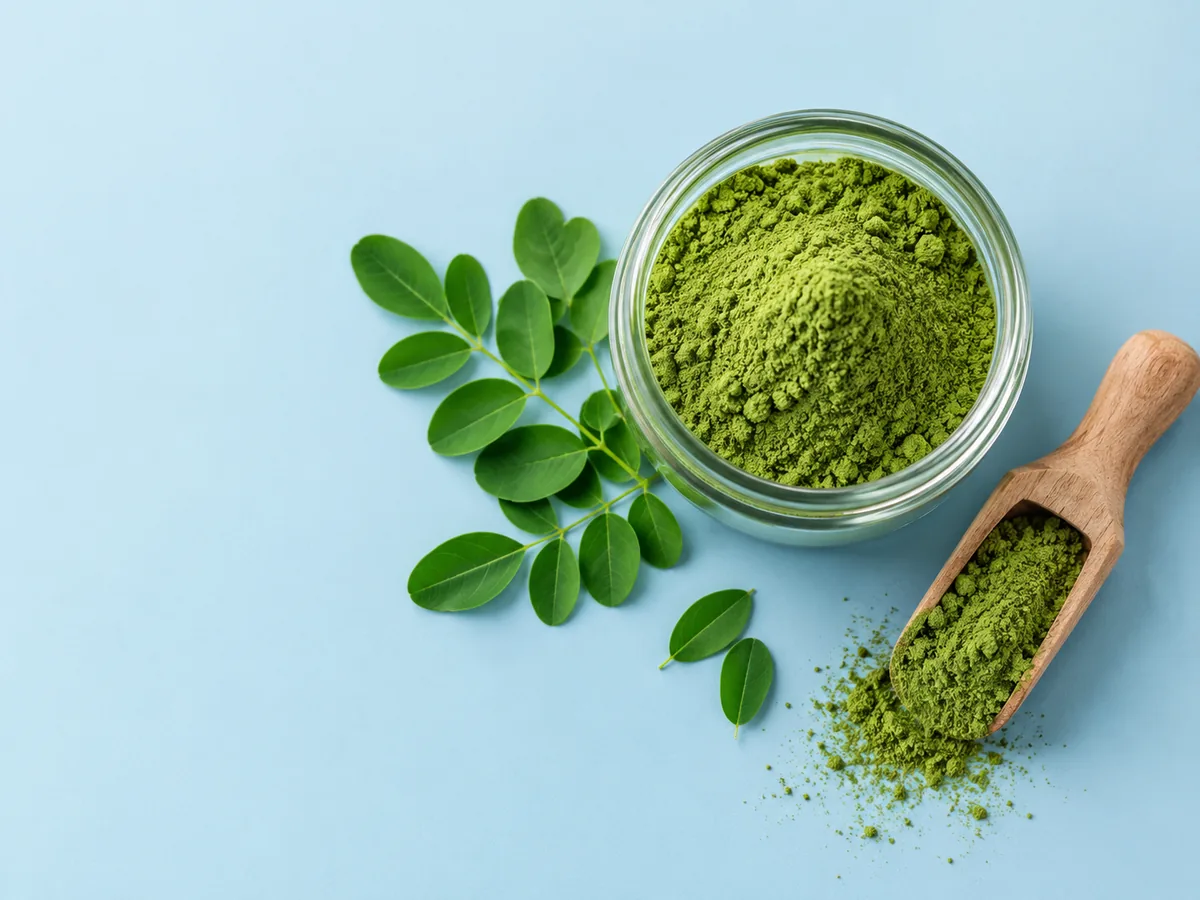
What Should Organic Moringa Powder Look Like?
Fine, even, and green. Cleveland Clinic says moringa leaf in powder form is milder and a bit grassier, like matcha (Cleveland Clinic’s guide to moringa). It also says the leaves and pods are the parts to eat. The roots, bark, and flowers are not safe to eat. So the ingredient line should say leaf.
The tree is also called the drumstick tree. Medical News Today notes that people have traditionally used it as food in many parts of the world (Medical News Today on moringa). Our guide to quality moringa powder goes into color, texture, and smell in more detail.
Here is the catch with the word organic. It describes how growers raised the plant, not how the powder looks. A bright green powder can be organic or conventional, and a certified powder can still be stale. Judge the look and smell yourself, then judge the claim separately by looking for the USDA seal and a certifier’s name. The USDA Agricultural Marketing Service says an uncertified product should not make an organic claim on the front of its package (USDA’s organic labeling rules).
How Do You Read a Category Page Without Guessing?
A category page lists many products at once, so the details that matter sit one click down. Open each listing and check six things. Does the label name the species, such as Ceylon, and not just cinnamon? Does the ingredient line show one ingredient and nothing added? Is the origin a named country? Is the form clear, whether ground, quills, or leaf powder? Does the listing state a storage method? And does the size make sense for how often you cook?
Mivoro’s cinnamon category page shows four products in October 2026: powder, sticks, Alba sticks, and tea bags. Prices there run from $7.99 to $13.99 for the powder and from $8.99 to $27.99 for the sticks, depending on size and pack. Our cinnamon powder buying guide walks through reading a powder listing.
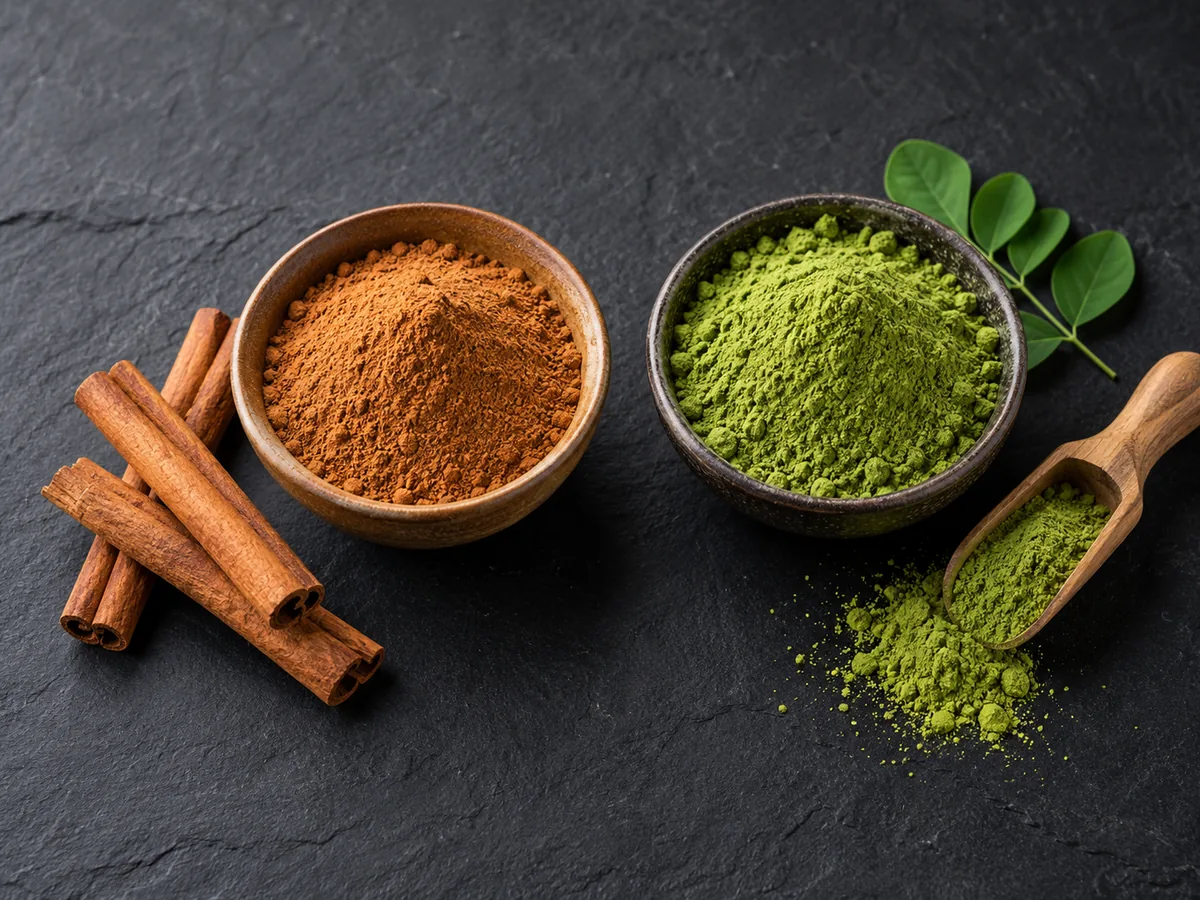
Where Can You Buy Ceylon Cinnamon Powder and Moringa Online?
Specialty spice sellers and brand sites are the usual route for moringa. Cleveland Clinic says it is unlikely to sit on shelves at typical U.S. chain grocery stores. It suggests local Asian or South Asian markets. Online, the same six checks apply to any seller.
We do not rank brands, and a brand name is not proof of quality. Mivoro’s Ceylon cinnamon powder is 100 percent Ceylon cinnamon from Sri Lanka. It comes in 50g and 100g sizes and ships across the United States. Mivoro’s Premium Moringa Powder is 100 percent moringa leaf, grown and processed in Sri Lanka.
To be clear for anyone searching for organic moringa powder, Mivoro’s moringa is not certified organic, and we do not market it that way. If organic matters to you, shop for a listing that shows the seal and a certifier you can look up.
Frequently Asked Questions
Ground or sticks: which suits what you are making?
Use powder for baking, oatmeal, smoothies, and anything you sprinkle. Use sticks for tea, stews, rice pudding, and other dishes where you can lift the quill out. Draxe describes powder as the most common form and suggests breaking a stick into tea, soups, or stews.
What should the color and smell tell you about freshness?
Tasting Table says Ceylon sticks are pale brown and the ground spice has an almost yellowish tone. The smell is milder than cassia. A faint smell is normal, so judge by whether it is sweet and clear. In our view, a flat, dusty, or musty smell means the spice is old.
How should it be stored once opened?
Keep it in an airtight container in a cool, dark place away from heat and light, as The Spice House advises. That source suggests replacing ground cinnamon every 6 to 12 months and says whole sticks last about 2 to 3 years.
What does organic certification cover on a spice?
It covers how growers raise and handle the crop under USDA rules, as checked by an accredited certifier. It does not speak to freshness or flavor. Look for the USDA seal and the certifier’s name, then confirm the business in the USDA Organic Integrity Database.
What sizes make sense for how often you use it?
Buy the amount you will finish within about a year for ground spices. Mivoro’s powders come in 50g and 100g, and the sticks add a 500g option. A small size suits occasional baking. A larger one suits daily use, and sticks forgive slow use best.
A Note on Sourcing
You can browse the full range in the Mivoro shop. This guide summarizes published sources and our own product pages, and it makes no health claims about any Mivoro product. Prices and sizes here match the listings in October 2026 and can change.
This article shares general buying and cooking information, not medical advice. It does not diagnose, treat, cure, or prevent any disease. Talk to a healthcare provider before adding moringa to your routine, especially if you are pregnant, nursing, managing a health condition, or taking medication.