
Cinnamon sticks come from rolled bark. You steep them in hot liquid and lift them out, rather than eating them. This guide covers tea, mulled drinks, and cooking. It also covers what to check before you buy, and what Mivoro’s two stick pages do and do not say.
By Carl J., Owner, Mivoro · Last updated 13 November 2026
How Do You Use Cinnamon Sticks?
Steep them, then remove them. Spices Inc says whole sticks suit hot liquids such as mulled cider, mulled wine, and the Vietnamese soup pho, so they can flavor the liquid without adding texture. You simply lift them out (Spices Inc on cinnamon types). Ground cinnamon is the better pick when it has to go straight into a batter or a rub.
For mulled drinks, the spiced apple cider recipe from The Spice House uses whole spices in a muslin bag or tea ball, which keeps the cider clear and easy to strain. It calls for 3 tablespoons of a mulling blend per gallon, plus one cinnamon stick for each cup you serve. The cider simmers for up to an hour, and the recipe says to taste at 20 to 30 minutes and stop when the balance suits you (The Spice House spiced apple cider). Treat those amounts as a starting point and adjust to taste.
In savory cooking, treat a stick like a bay leaf. In our view, it belongs in rice, braises, and curries from the start. Take it out before the dish reaches the table. Our Ceylon cinnamon recipes post collects more ways to cook with it.
Which Cinnamon Sticks Are Best for Tea?
Ceylon is the usual choice, and Spices Inc lists tea as a natural use for it. It describes Ceylon as gentler, with notes of citrus blossom. Cassia has the standard cinnamon flavor that leaps out at you.
For a basic cup, Cookie and Kate uses one 3-inch stick, preferably Ceylon, per cup of water. She simmers it covered for 10 minutes, then steeps it off the heat for another 10. Simmering longer, she warns, makes the tea taste flat and turns it a dull brown (Cookie and Kate’s cinnamon tea). Our guide to brewing cinnamon tea has a longer walkthrough.
Mivoro sells two Ceylon stick options. Our Ceylon cinnamon sticks page lists whole sticks or quills. The Alba Ceylon cinnamon sticks page describes a top premium grade. It calls the quills paper-thin, hand-rolled, and light golden brown. We have no tasting data showing that either one brews a better cup. Choose on the look and price you prefer.
What Is the Difference Between Cinnamon Sticks and Quills?
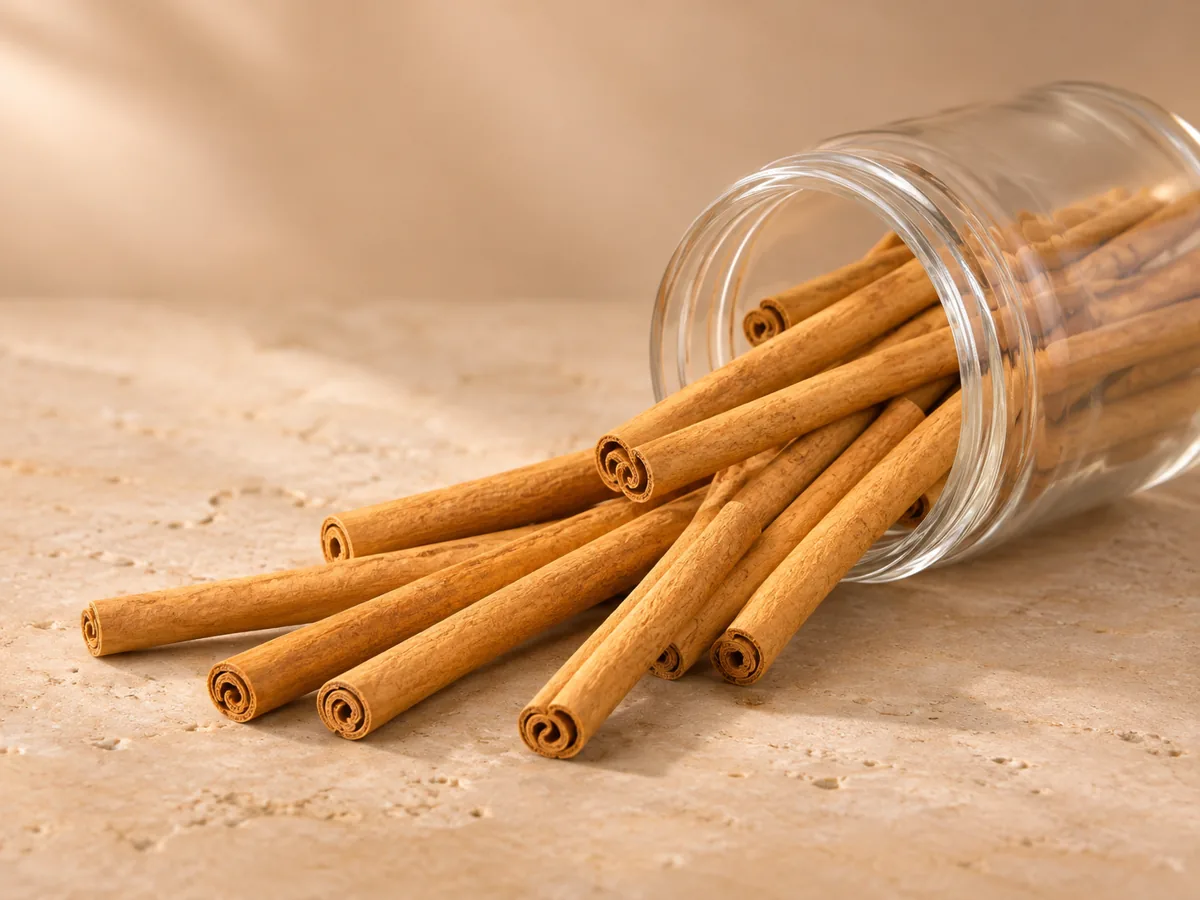
Very little. Spices Inc calls the sticks of bark quills, so the two words describe the same rolled bark. In our own usage, quill is the word for rolled bark at the source. Stick is the word on a retail pack.
The words stop being interchangeable at grade. Alba ranks as a Ceylon quill grade, and our Alba page calls it the finest grade of true Ceylon cinnamon. A pack labeled only sticks tells you the form, not the grade. Our powder or sticks guide compares sticks with ground cinnamon for everyday cooking.
What Should You Check Before Buying Cinnamon Sticks?
Start with the label. Spices Inc says sellers always label Ceylon cinnamon as such. A pack that says only cinnamon will be a cassia type, most likely Indonesian. Look for Ceylon or the botanical name, Cinnamomum verum, on the pack. Both our stick pages give that name and say never cassia, and those are our own statements. Our authenticity guide covers more ways to check a claim.
Next, look at what is in the bag. Whole, intact quills tell you more than a pile of broken pieces, because you can judge each one. Pack information matters as well: a packed date, a grade, and a stated origin. Our stick pages use the phrase freshly packed in Sri Lanka. Neither publishes a packed date, a stick length, or a shelf life. That means you cannot check the freshness claim against a date.
Where Can You Buy Quality Cinnamon Sticks?
You can find them at specialty spice shops, grocery stores, and online sellers. Per Spices Inc, a grocery pack labeled only cinnamon is likely cassia. A Ceylon buyer usually has to look on purpose. Our guide to where to buy Ceylon cinnamon walks through the options.
Mivoro sells Ceylon cinnamon sticks online and ships across the United States, according to our product page. We do not rank other sellers, because we cannot verify what they pack or when. If you run a cafe or a shop, the Alba page says orders run from small retail packs up to 30kg. The standard page offers multipacks and custom quotes.
Frequently Asked Questions
How much do cinnamon sticks cost?
Here are Mivoro’s list prices as of November 2026. The standard Ceylon sticks run $8.99 to $27.99, and the Alba grade runs $9.99 to $28.99. Both come in 50g, 100g, and 500g packs. Alba’s range sits $1 higher at both ends. Each page shows only the range until you pick a size. We have not compared other sellers, so these are our prices, not a market average.
How do you use cinnamon sticks in tea and cooking?
There are two quick routes. For tea without a stove, put two sticks in a mug and pour over one cup of boiling water. Steep it ten minutes, the shortcut Cookie and Kate describes, which uses twice as much cinnamon. For a pot of rice or a braise, add a stick with the cold liquid at the outset. Fish it out when cooking ends. Snapping the stick in half exposes more of the inner layers, a trick we use for a stronger infusion.
How can you tell Ceylon cinnamon sticks from cassia?
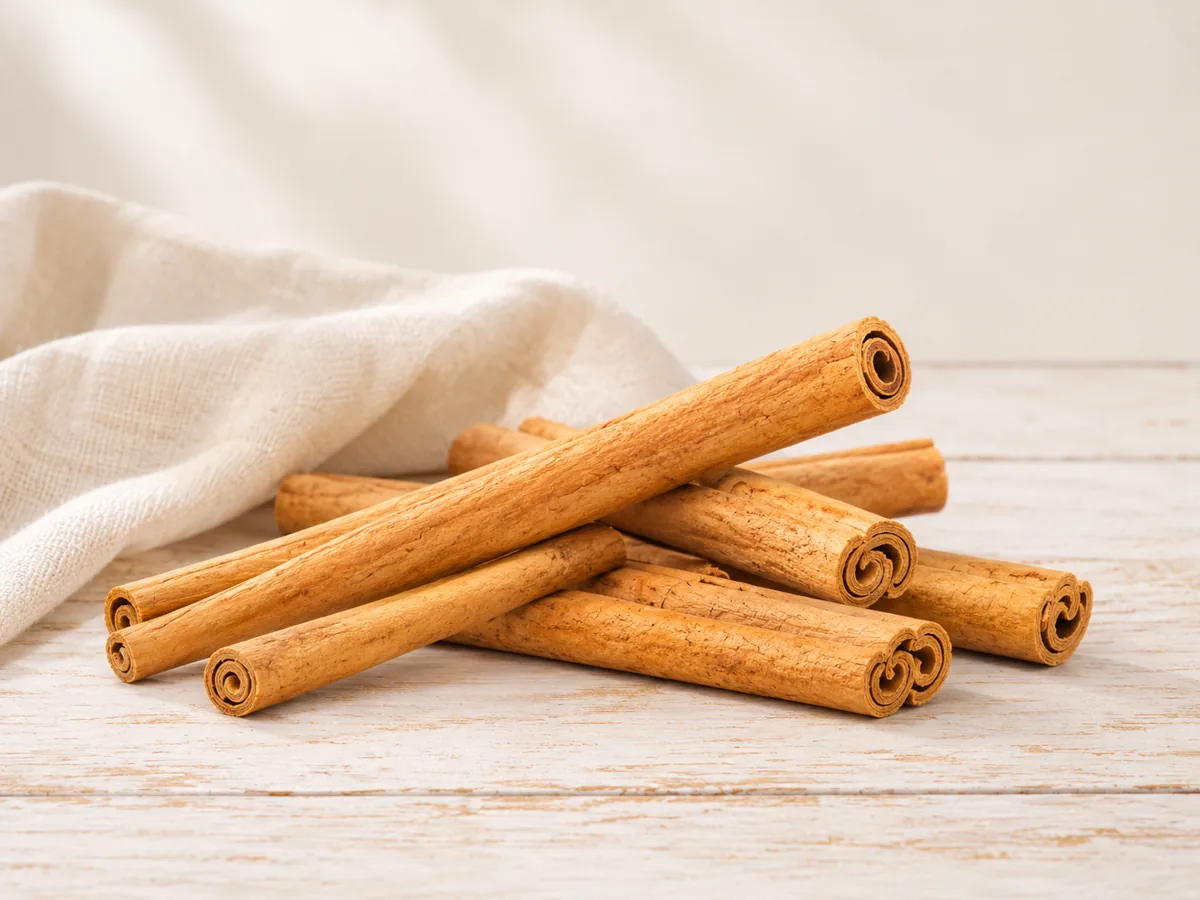
Look at the layers first. In Spices Inc’s description, Ceylon is many thin, papery layers in a tan quill. Cassia is a thicker bark curled once or twice, and ruddy brown. Then snap one. Tasting Table says Ceylon breaks cleanly with a few crumbs, while cassia is woody and shatters into splinters. No single check proves it. Once ground, the two look nearly identical, so test whole sticks. Our Ceylon vs cassia guide goes deeper.
How should cinnamon sticks be stored and how long do they last?
Keep them whole in an airtight container, away from heat, light, and humidity. The Spice House says whole spices keep as long as three years and warns against storing spices above the stove. Spices Inc is more cautious, at one to two years. Our product pages advise a cool, dry place away from direct sunlight. These are retailer estimates of peak flavor. Let your nose decide, because a stick that smells faint when snapped has little left to give.
Can cinnamon sticks be reused?
Sometimes, with limits, and the evidence is thin. Cookie and Kate advises against reusing sticks in tea. She says they lose a significant amount of flavor each time, and she raises mold concerns about drying them. Hunker suggests simmering spent sticks again for scent or in stews, though it cites no source. We found no neutral test that gives a number. Our view: expect a weaker second cup, and throw out any stick that smells musty or shows spots after drying.
A Note on Sourcing
You can browse the full range in the Mivoro shop. This guide draws on retailer and recipe sources plus our own product pages. It makes no health claims about any Mivoro product. Prices reflect our listings as of November 2026.
This article shares general buying and cooking information, not medical advice.