
A good Sri Lankan whole clove is a plump bud with its round head, a strong smell, and a trace of oil under a fingernail. This guide covers how to judge a bud, spot old cloves, and read the float test, plus what our own page does and does not say.
By Carl J., Owner, Mivoro · Last updated 17 November 2026
What Makes a Good Whole Clove?
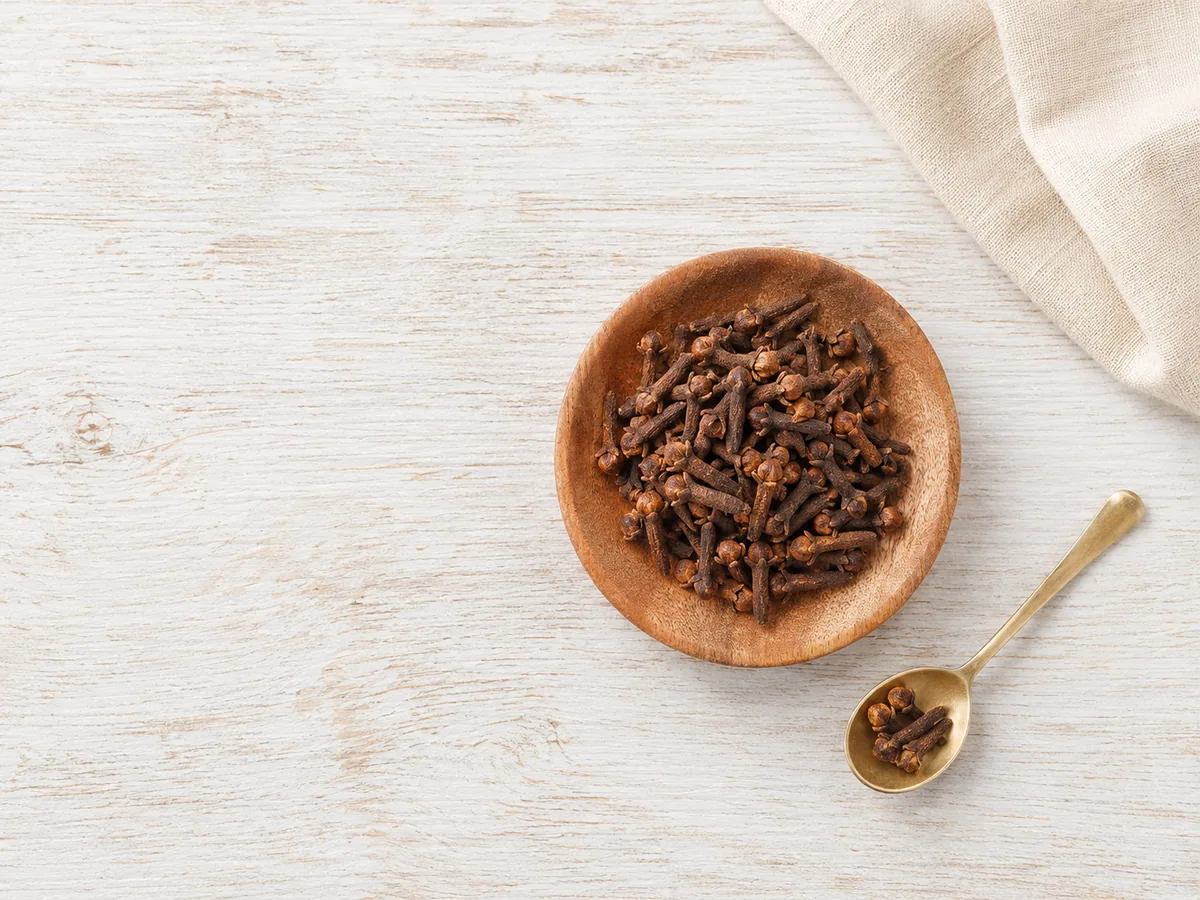
Size, smell, and oil. Cloves start as the flower buds of the clove tree, Syzygium aromaticum, and sellers dry them. The name comes from the Latin word for nail (Medical News Today on cloves). They carry a strong taste and smell. A bud that smells faint has lost much of what you bought it for.
The FSSAI, India’s food safety regulator, publishes a rapid test guide that lists cloves with the volatile oil extracted as a known adulterant. It says those buds look small and shrunken, and they carry less of the sharp pungency of genuine cloves (FSSAI rapid test guide). So plump buds with a sharp aroma are the target.
Should the Head Still Be on the Bud?
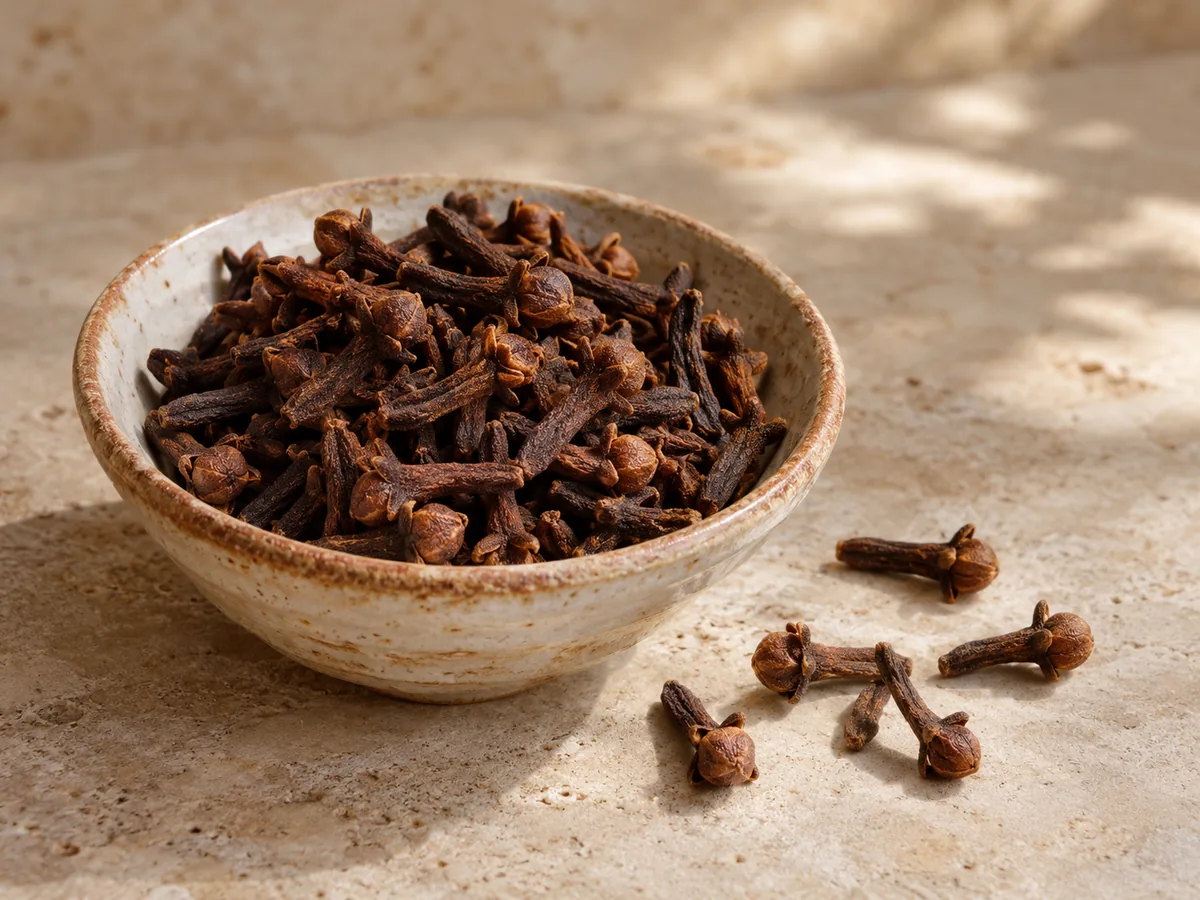
Ideally, yes. A clove has a tapered stem with a round head on top, and Dr. Weil’s page describes it that way (Dr. Weil on cooking with cloves). None of our sources say a missing head makes a clove worse. In our view, a pile of bare stems suggests rough handling, and you can check it by eye.
Our product page describes hand-selected whole buds, naturally sun-dried. It does not say the heads are intact, so look when the pack arrives.
How Much Oil Does a Clove Bud Hold?
A lot, by weight. A ScienceDirect topics page reports 15 to 20 percent oil in clove buds, citing Nurdjannah and Bermawie, and 12.9 to 18.5 percent citing Zachariah and Leela. It puts eugenol at 70 to 95 percent of the bud oil (ScienceDirect on clove oil).
The same page says oil yield and quality depend on origin, variety, and processing after harvest. It lists Sri Lanka among producing countries, but it does not say Sri Lankan cloves hold more oil. Our product page does make that comparison, saying the buds stand out for higher oil content than cloves from many other countries. That is our claim. We have no measured oil figure to publish, so read it as a description, not a test result.
How Can You Tell If Cloves Are Old?
Check three things. Look first, because small, shrunken buds are the warning sign in the FSSAI guide. Smell next. Take the lid off and breathe in. A strong, warm aroma means the oil is still there, and a faint one means it has faded.
Then think about age. Dr. Weil says whole cloves keep about a year and ground cloves up to six months. Spices Inc puts whole spices at one to two years, and The Spice House says up to three. These are estimates, not lab tests. Dr. Weil advises a tightly sealed glass jar away from light and heat. Our product page advises an airtight container in a cool, dry place away from sunlight.
What Does the Float Test Really Show?
Two sources describe a water test, and they disagree. Dr. Weil says fresh cloves float upright, while stale ones float sideways or sink. The FSSAI guide says genuine cloves settle at the bottom, while exhausted ones float. A floating clove is a good sign in one and a bad sign in the other.
Neither page cites a study. In our view, the float test is a curiosity. Lean on the look and the smell, and let the water be a second opinion at most.
Where Can You Buy Sri Lankan Whole Cloves in the US?
Mivoro sells Sri Lankan whole clove online in 50g and 100g packs, listed at $7.99 to $13.99 as of November 2026. The page does not show which price goes with which size. It describes whole dried buds from Sri Lanka, sold for cooking, baking, and warm drinks, with a wholesale quote for larger orders.
The page says orders ship within a few business days across the USA, and it asks you to confirm times at checkout. It publishes no grade, packed date, shelf life, batch number, or lab results, and it makes no organic claim. We do not rank other sellers. Ask any seller what they can show. Our whole cloves buying guide covers price and everyday cooking.
Frequently Asked Questions
How do you tell a clove still full of oil from one that has given it up?
Use your fingers. Dr. Weil describes a fingernail test, where a fresh clove gives up a little oil under the nail. Rub a bud between your palms and smell your hands too. A bud with oil leaves a strong scent, and a dry one leaves little. That palm check is our own habit, not a published method. Neither check measures oil, so use them to compare one jar with another.
What is the float test, and does it really tell you anything?
It is a home check where you drop a few buds in a glass of water and watch how they sit. On its own it tells you little, because published readings conflict and nothing we found tests either one. If you want to try it, run two jars side by side, then trust your nose over the water.
Should the little round head still be attached to the bud?
Look for it, but treat it as a bonus, not a rule. We would not worry about a few loose heads at the bottom of a jar, since they do not change how the buds cook. A pack of mostly bare stems is worth raising with the seller.
How many does a dish usually take, and how long does a jar last?
Healthline says its recipes use a few clove buds, or a quarter teaspoon of clove powder. myhomedoc.care says small culinary amounts are usually enough. In our view, start with two or three buds for a pot of rice or a braise, then taste. To plan a jar, weigh ten buds on a kitchen scale and divide the pack weight by that figure. Divide the result by how many you use a week. The shelf life windows above are the ceiling, not the plan.
Whole or ground: which suits which kind of cooking?
Whole buds suit anything you can pick out before serving, such as tea, stock, rice, and mulled drinks. Healthline says to simmer whole cloves in boiling water for 5 to 10 minutes for tea. It also says to remove them before serving, since they can be hard or spiky to bite. myhomedoc.care calls ground clove much more concentrated and says whole buds release flavor slowly. In our view, baking is where ground earns its place, because the spice has to spread through the batter. If you want powder, Dr. Weil advises grinding whole buds in a grinder kept for spices.
A Note on Sourcing
You can browse the full range in the Mivoro shop. This guide draws on regulator, reference, and retailer sources plus our own product page. It makes no health claims about any Mivoro product. Prices reflect our listing as of November 2026.
This article shares general buying and cooking information, not medical advice.