
Whole cloves are the dried, unopened flower buds of the clove tree. A good batch comes down to freshness and a clear single origin. The buds should stay whole rather than broken or dusty. Cooks use them whole in slow-cooked dishes, mulled drinks, and tea. They usually remove the buds before serving, or grind them fresh for baking.
By Carl J., Owner, Mivoro · Last updated 24 September 2026
How Much Do Whole Cloves Cost?
Pricing for whole cloves typically runs a few dollars per ounce. Quality and origin both affect the price. Mivoro’s Sri Lankan Whole Clove costs $7.99 for a 50g pouch and $13.99 for 100g. That falls in the normal range for a single-origin, hand-selected spice. Most sellers offer it in small retail bags rather than bulk bins.
How Do You Use Whole Cloves in Cooking and Baking?
Most often, whole cloves go into slow-simmered dishes such as broths, curries, braises, and rice pilafs. There, they infuse flavor over time. You remove them before serving, similar to a bay leaf. Cooks also press them directly into a ham or a whole onion used to flavor stock. For baking, most people grind whole cloves fresh just before use. A spice grinder or mortar and pestle pulls more aroma out of the bud than pre-ground cloves that have sat on a shelf.
How Do You Use Whole Cloves for Tea and Mulling?
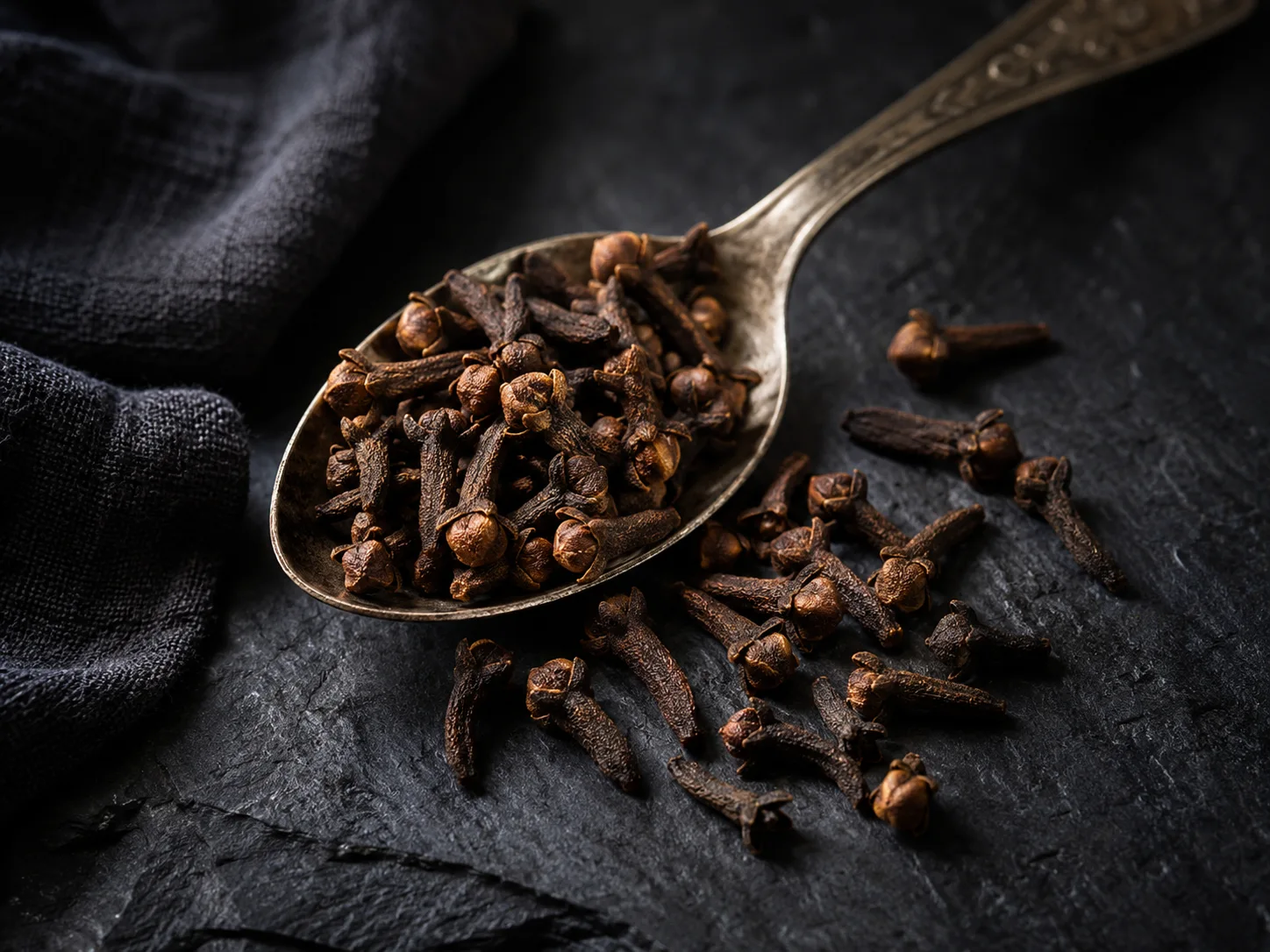
Whole cloves are a standard ingredient in mulled wine, mulled cider, and chai-style tea. Simmer them gently with the liquid for ten to twenty minutes so the oils release slowly rather than turning bitter. A common starting point is two to four whole cloves per cup of liquid, adjusted to taste. Add cinnamon sticks and citrus peel too for mulled drinks. The buds are easy to spot and strain out. That makes whole cloves generally the better choice over ground clove for anything steeped or simmered in a liquid you plan to drink.
How Many Whole Cloves Equal a Teaspoon of Ground Cloves?
As a rule of thumb, one teaspoon of whole cloves is roughly equivalent to three-quarters of a teaspoon of ground cloves. Grinding compacts the volume. Going the other way, say a recipe calls for one teaspoon of ground cloves, and you only have whole ones. About one and a third teaspoons of whole cloves, ground fresh, will get you a comparable amount.
How Do You Know If Whole Cloves Are Fresh, and How Should They Be Stored?
Fresh whole cloves are dark reddish brown and plump rather than shriveled. They give off a strong, sharp, slightly sweet aroma as soon as you open the bag. A simple freshness test is to press a fingernail into the rounded head of a clove. A small amount of released oil and a strong scent mean the clove is still potent. A dry, dull clove with little smell has lost much of its strength (Ceylera’s guide to clove freshness tests).
Store whole cloves in an airtight container away from heat, light, and moisture. A cool, dark cupboard works better than a spot next to the stove. Kept this way, whole cloves generally hold good flavor for two to three years, longer than ground cloves. The intact bud protects the essential oils inside.
Which Whole Cloves Are Best for Cooking?
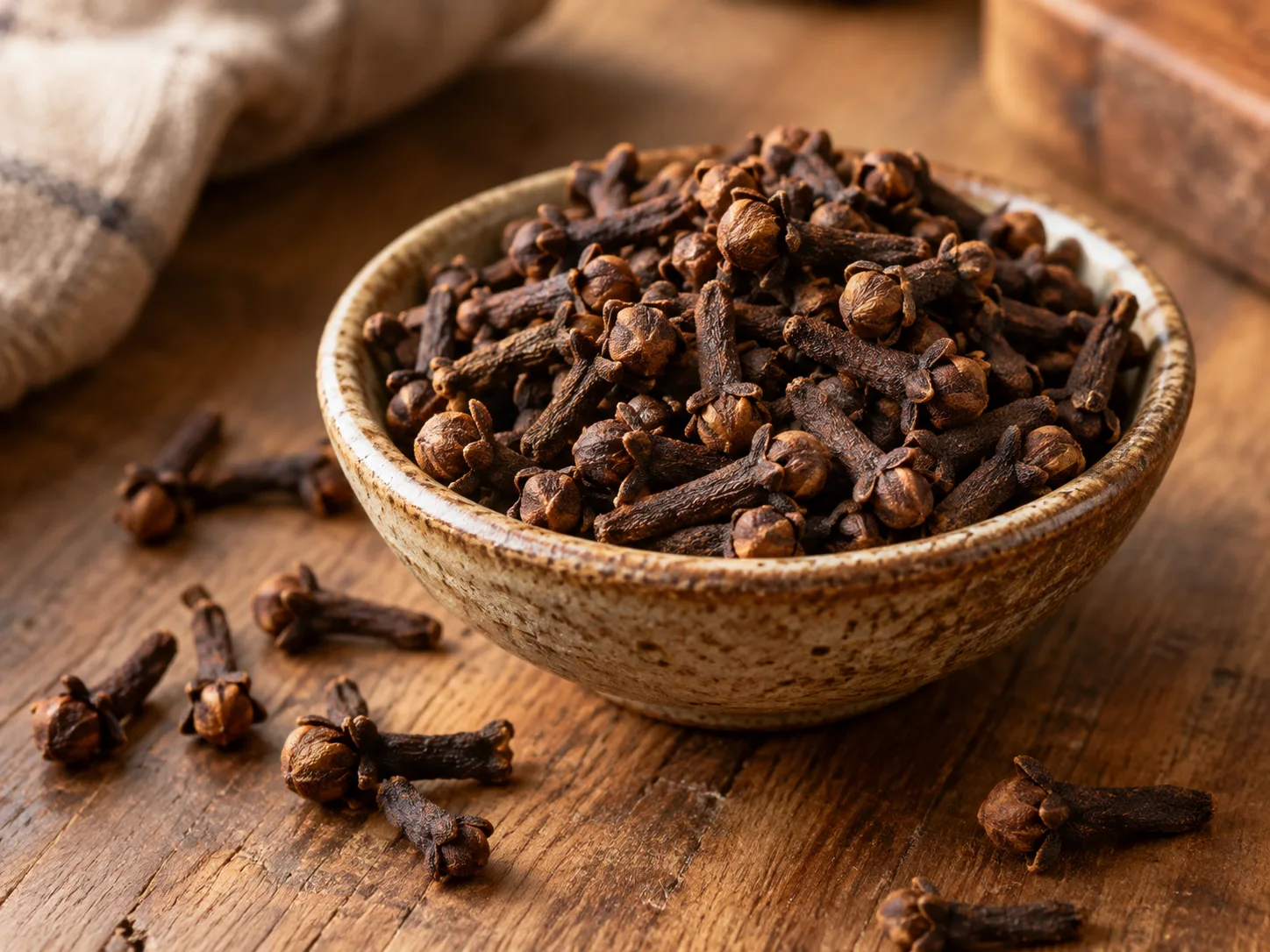
The best whole cloves for cooking are plump, unbroken buds from a single, named origin. Avoid a generic blend of unspecified sources. Origin genuinely affects flavor. Farmers commonly grow cloves in Sri Lanka, Indonesia, and Madagascar. Research on clove oil composition confirms that growing region measurably affects oil yield and aroma compounds (ScienceDirect overview of clove oil composition). Buy from a seller who states the country of origin and describes the buds as hand-selected. Avoid one that only says “premium” without specifics. That is a reasonable way to judge quality before you can smell the product yourself.
Frequently Asked Questions
How much do whole cloves cost?
Mivoro’s Sri Lankan Whole Clove is $7.99 for a 50g pouch and $13.99 for 100g. Pricing on other brands generally falls in a similar range. Single origin or hand selected cloves often cost a bit more than generic blends.
How do you use whole cloves in cooking and baking?
Cooks typically simmer whole cloves in broths, curries, and braises and remove them before serving. Some press them into a ham or onion for flavor instead. For baking, most people grind them fresh just before use.
How many whole cloves equal a teaspoon of ground cloves?
One teaspoon of whole cloves is roughly equal to three quarters of a teaspoon of ground cloves by volume. If a recipe calls for one teaspoon of ground cloves, use about one and a third teaspoons of whole cloves, ground fresh.
How should whole cloves be stored and how long do they last?
Store whole cloves in an airtight container in a cool, dark place away from heat and moisture. Stored this way, they generally keep good flavor for two to three years, noticeably longer than ground clove.
Are your whole cloves hand selected and single origin?
Yes. Mivoro grows its whole cloves in Sri Lanka and handpicks them at peak maturity. It sells them as a single origin spice rather than a blend from multiple countries.
A Note on Sourcing
Mivoro hand-selects and sources its Sri Lankan Whole Clove from Sri Lanka, with no additives or fillers. Producers often describe Sri Lankan-grown cloves as having a relatively high oil content. They say this gives a stronger flavor and aroma. This varies by harvest, though, and no one has independently tested it on this specific batch.