
The benefits of Ceylon cinnamon are real but modest, and most of the evidence is early. Human trials suggest it may help with fasting blood sugar, and lab work points to antioxidant activity. None of this makes it a treatment for any condition. Ceylon also carries far less coumarin than cassia, which matters if you use cinnamon daily.
By Carl J., Owner, Mivoro · Last updated 07 October 2026
Does Ceylon Cinnamon Really Work as an Antioxidant and Anti Inflammatory Spice?
Ceylon cinnamon contains plant compounds such as cinnamaldehyde that act as antioxidants. A 2020 research review found that cinnamon supplements may raise total antioxidant capacity in people (Healthline’s summary of cinnamon research). Some reviews also report lower levels of inflammation markers, including C reactive protein and interleukin 6.
That sounds promising, but the evidence has limits. Memorial Sloan Kettering notes that lab studies suggest anti inflammatory potential, while human data are lacking (Memorial Sloan Kettering’s cinnamon overview). Treat the anti inflammatory label as a promising idea, not a promise. No human study has confirmed lab and animal findings on brain health, viruses, or cancer.

What Have Human Trials Found on the Benefits of Ceylon Cinnamon?
One of the clearest recent studies used Ceylon cinnamon itself. Researchers in Sri Lanka ran a randomized, double blind, placebo controlled trial with 150 adults, and 127 finished the 12 weeks. Participants took 1,000 mg a day of a standardized Ceylon cinnamon extract (PLOS ONE trial of Ceylon cinnamon extract).
The main goal, a drop in LDL cholesterol, did not reach statistical significance. Fasting blood sugar did fall more than in the placebo group, by an adjusted 8.59 mg/dL. Total cholesterol, triglycerides, HDL, and HbA1c showed no significant differences. Liver and kidney markers stayed steady, and gastritis was the most common side effect. The authors still call for more research.
Two caveats matter. First, the trial used a concentrated extract, so a teaspoon of ground cinnamon may not behave the same way. Second, one trial is not a verdict. Reviews summarized by Healthline link cinnamon to lower fasting blood sugar and some improved heart markers at roughly 1.5 to 2 grams a day. Healthline stresses the need for more research, and Memorial Sloan Kettering calls the evidence mixed.
Why Does Ceylon Suit Daily Use Better Than Cassia?
No research summarized here shows Ceylon beating cassia on benefits. The case for Ceylon is about safety. Cassia carries far more coumarin, a compound that can harm the liver at high intakes.
Austria’s food safety agency measured 1,880 to 3,260 mg per kg in cassia samples. Its Ceylon samples topped out at 185 mg per kg (AGES coumarin overview). European regulators set a limit of 0.1 mg of coumarin per kg of body weight a day, or about 6 mg for a 60 kg adult.
As a rough illustration, a 60 kg adult would need about 30 grams of Ceylon powder to reach that limit at the highest Ceylon level AGES measured. That is more than ten teaspoons. Cassia can get there with about one level teaspoon. For the full comparison, read our guide to Ceylon and cassia cinnamon powder.
How Much Ceylon Cinnamon Is Reasonable Each Day?
No official daily requirement exists. Cinnamon is a seasoning, not a nutrient you must reach. The studies above used roughly 1 to 2 grams a day, which is about half to one teaspoon of ground cinnamon.
Most people reach that amount with a sprinkle in coffee, oatmeal, or a smoothie. Starting small and noticing how you feel is a sensible approach. Larger amounts do not have clearer benefits, and they push coumarin intake higher if the cinnamon turns out to be cassia. Follow the label on any product, and ask a healthcare provider before taking a therapeutic amount.
What Should You Check Before Adding It Daily?
Most sources treat cinnamon as safe in moderation. WebMD’s guide to Ceylon cinnamon lists stomachache, nausea, constipation, heartburn, headache, hives, and allergic reactions as possible effects of too much. It advises pregnant people to avoid cinnamon supplements, though normal food amounts are fine. It also says safety during breastfeeding is not clear, and it cautions people with liver sensitivity.
Medication matters too. Memorial Sloan Kettering lists possible interactions with statins, pioglitazone, and drugs processed by CYP450 liver enzymes. WebMD adds that cinnamon may make some cancer medicines work less well. Cinnamon may also affect blood sugar, so people who take diabetes medication deserve extra care. If you take any prescription medication, ask your healthcare provider before making cinnamon a daily habit.
The honest summary of the benefits of Ceylon cinnamon is simple. They are modest and early, and they work best as a flavorful bonus to a balanced diet.
Frequently Asked Questions
Which benefits are supported by research?
The best human evidence points to modest effects on fasting blood sugar. Antioxidant and anti inflammatory findings are earlier stage, and cholesterol results are mixed. Researchers have not proven any benefit.
How much do you need daily?
There is no set requirement. Trials mostly tested 1 to 2 grams, or half to one teaspoon, and more has not been shown to work better.
Is it better than cassia for health?
The research does not show Ceylon delivering bigger benefits. Its edge is a much lower coumarin level, which leaves more room for daily use.
Are there risks?
Most risks are mild, such as stomach upset, heartburn, headache, and allergic reactions. The bigger concerns are coumarin in cassia and possible medication interactions.
Who should avoid it?
Pregnant people should skip cinnamon supplements, though food amounts are fine. Anyone with liver sensitivity, or who takes prescription medication, should ask a healthcare provider first.
A Note on Sourcing
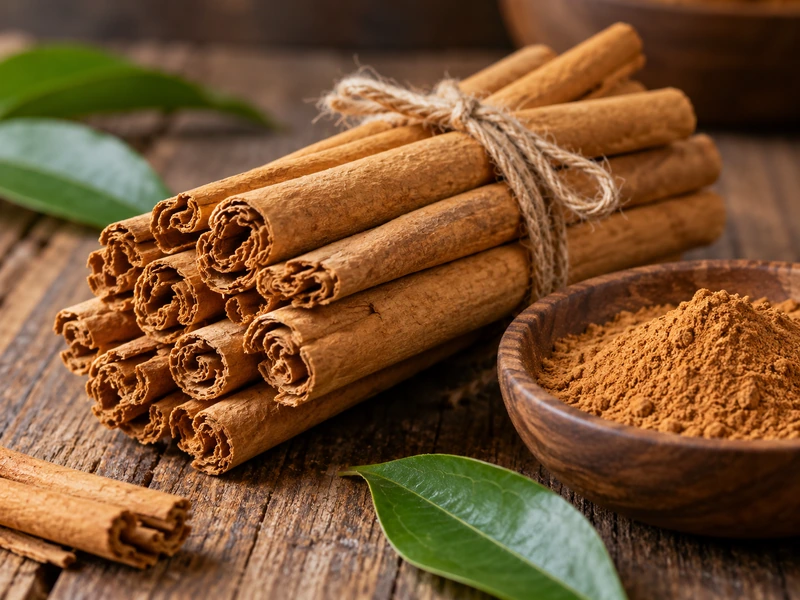
Ceylon cinnamon comes from Sri Lanka, where the trial above took place. Mivoro sources its Ceylon cinnamon there and offers Ceylon Cinnamon Powder and Ceylon Cinnamon Sticks in its cinnamon collection. Mivoro does not currently publish third party lab results. This article summarizes published research and makes no health claims about any Mivoro product.
This article shares general nutrition information, not medical advice. It does not diagnose, treat, cure, or prevent any disease. Talk to a healthcare provider before using cinnamon in larger amounts, especially if you are pregnant, nursing, managing a health condition, or taking medication.