
Alba Ceylon cinnamon sticks are the finest grade of Ceylon quill, rolled thin and graded by size rather than by flavor. Sri Lanka’s export board names Alba as the top grade, with a quill diameter of 6 mm. Here is what the grades mean, what Alba adds, and whether it is worth the extra cost.
By Carl J., Owner, Mivoro · Last updated 30 October 2026
Why Is Alba the Top Ceylon Cinnamon Grade?
Alba is the thinnest and most expensive grade of Ceylon cinnamon. The Sri Lanka Export Development Board names four major grades: Alba, Continental, Mexican, and Hamburg. Grading rests on the diameter of the quill, and the most expensive grade, Alba, has a 6 mm quill (Sri Lanka Export Development Board on cinnamon).
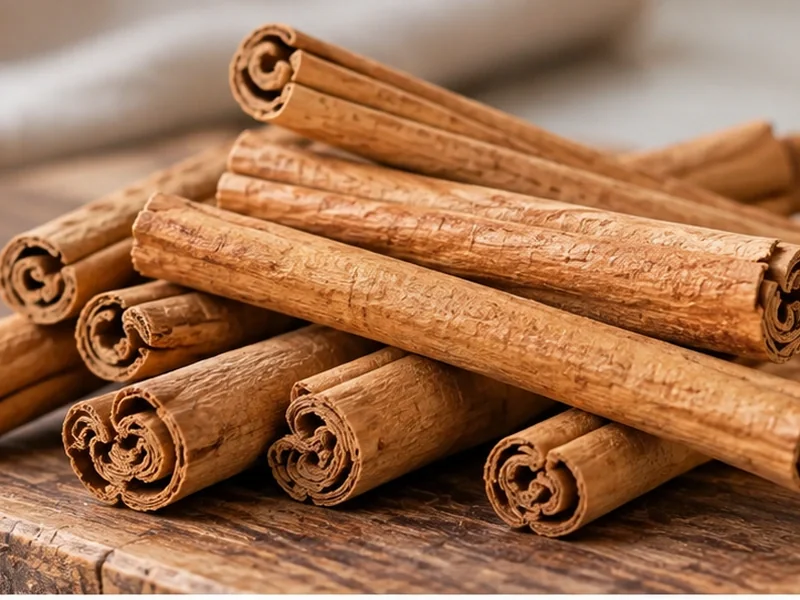
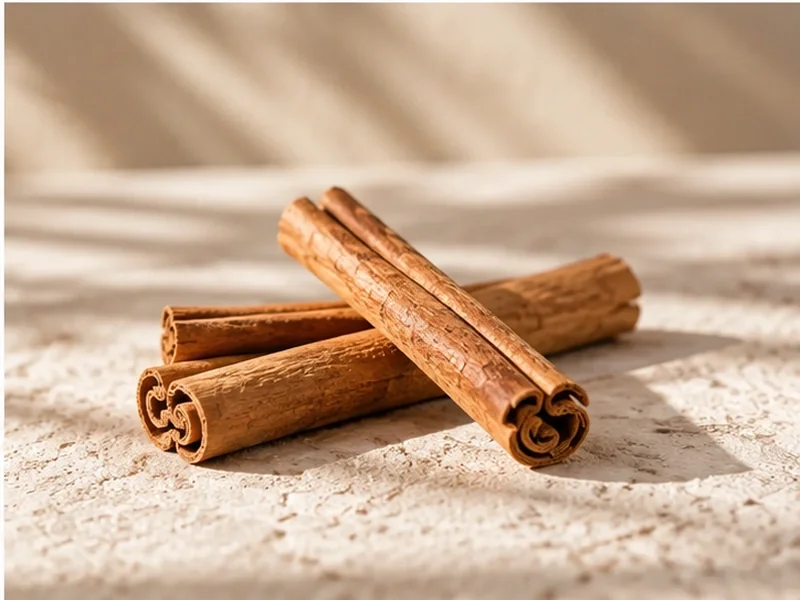
A quill is what most people call a cinnamon stick, made from rolled inner bark. A thin Alba quill is delicate and tightly rolled, so it looks fine on a plate or in a gift jar. Mivoro’s Alba Ceylon Cinnamon Sticks page calls it the finest grade of true Ceylon cinnamon and describes pale golden brown quills, hand rolled from inner bark and freshly packed in Sri Lanka.
How Do Ceylon Cinnamon Grades Compare?
They describe the size and look of the quill, not a flavor score. A Daily Mirror feature on Sri Lanka’s cinnamon industry says the national standard, SLS 81:2010, sorts quills by diameter, by whole quills per kilogram, and by foxing. Foxing means reddish brown patches on the surface. The feature names Alba as the fine grade, which sells at a significantly higher price, and Mexican and Hamburg as the coarse grades (Daily Mirror on cinnamon quality standards).
The numbers help when a label uses codes such as C5. One Sri Lankan exporter’s grade table lists maximum quill diameters of 6 mm for Alba, 8 mm for C5 Extra Special, 10 mm for C5 Special, 12 mm for C5, 16 mm for C4, and 18 mm for C3. The heavier M and H grades run from 16 mm up to 38 mm (Colombo Spices’ grade table). The letters appear to follow the named families, with C for Continental, M for Mexican, and H for Hamburg. That is our reading, not a statement in the table.
So the ladder runs from thin to thick. Alba sits at the top, the C5 grades sit just below it, and thickness grows as the codes move down. Exporters do not all print identical limits, so treat any single table as a guide and ask a seller which standard they follow.
Does a Higher Grade Taste Better?
Grade is set by size and appearance, so it does not promise a flavor. The Sri Lanka Export Development Board says the unique method of processing and curing is what gives Ceylon cinnamon its characteristic flavor. The Daily Mirror feature says the standard focuses mainly on the physical appearance of the products. Neither source links a grade to taste.
Sellers still describe the flavor of what they sell. Mivoro’s Alba page describes a sweet, warm flavor with soft citrus notes. Our Ceylon cinnamon sticks page describes a strong, warm flavor with a subtle sweetness. Those are seller descriptions, not lab measurements. The most reliable test is your nose: fresh Ceylon smells sweet and warm, while a faint or musty smell points to age. Our Ceylon cinnamon buying guide covers freshness in more detail.
Is Alba Worth Paying More For?
Alba is worth it when you value the look and the delicacy, and less so when you will strain the quills out. The thin, tightly rolled quill suits a gift jar, a plated dessert, or a delicate dish where the stick is part of the presentation. Mivoro’s page suggests infusing delicate dishes, brewing tea and coffee, finishing desserts, and gifting.
For tea, mulled drinks, and slow simmers, the quills leave the pot before anyone sees them. In our view, a thicker grade does that job just as well, since the sources tie grade to appearance and not to taste. That is our judgment, not a rule from the sources.
The premium is also small here. In October 2026, Mivoro lists Alba sticks from $9.99 to $28.99 and the standard sticks from $8.99 to $27.99. The two ranges differ by $1.00 at each end. The pages do not list a price for each size, so divide by weight before you decide. Sizes run 50g, 100g, and 500g, and a bigger pack only helps if you will use it while it is fresh.
Which Grade Does Mivoro Sell, and Why?
Mivoro sells Alba sticks, plus a standard Ceylon sticks product whose page names no grade. We do not list C5 or C5 Special. The Alba page positions Alba as the finest grade, and it describes quills rolled as fine as a pencil.
If grade matters to you, ask any seller, including us, for the measured quill diameter and the standard it follows. Mivoro does not publish third party test results, so the species and grade claims rest on our sourcing. Our guide to Ceylon cinnamon powder or sticks helps you choose between the forms, and our guide to checking Ceylon cinnamon authenticity shows what a buyer can verify.
Frequently Asked Questions
What is Alba grade Ceylon cinnamon?
It is the finest and thinnest grade of Ceylon cinnamon quill. Sri Lanka’s export board gives its diameter as 6 mm, and it sells at a higher price than the coarser grades.
What do the Ceylon cinnamon grades actually mean?
Grades sort quills by diameter, quill count per kilogram, and foxing, under Sri Lanka’s SLS 81:2010 standard. They are trade terms for size and look, so ask a seller for the numbers behind a grade.
Is Alba worth paying more for than standard grades?
It can be, if you want the finest look for gifts, plated desserts, or delicate dishes. For tea and simmered drinks you strain the quills out, and no source we found promises a better cup. At Mivoro the listed price ranges differ by only $1.00.
Which grade do you sell, and why?
We sell Alba, which our product page calls the finest grade of true Ceylon cinnamon. Our other sticks page names no grade, and we do not list C5 or C5 Special. The Alba page presents it for delicate dishes, drinks, desserts, and gifting.
Does grade affect flavor or just appearance?
Grade is set by size and appearance. Sri Lanka’s export board says processing and curing shape the flavor, and no source we found ties a grade to taste. Judge flavor by smell and by tasting.
A Note on Sourcing
You can browse the full range in the Mivoro shop. This guide summarizes published sources and our own product pages, and it makes no health claims about any Mivoro product. Grade names and limits vary between exporters, so confirm the details with any seller. Prices and sizes match the listings in October 2026 and can change.
This article shares general buying information, not medical advice. It does not diagnose, treat, cure, or prevent any disease.