
This Ceylon cinnamon buying guide comes down to four checks. Look for the word Ceylon or Cinnamomum verum on the label, a named grade, a stated country of origin, and a packing date. Pale, thin, layered quills with a sweet, warm smell point to good stock, while a faint or musty smell suggests it is old.
By Carl J., Owner, Mivoro · Last updated 23 October 2026
What Do the Grades of Ceylon Cinnamon Mean?
Grades are trade names from Sri Lanka’s cinnamon industry, and they mostly describe how thick the quills are. SriLankaExport.com, a B2B export marketplace, publishes a table that puts Alba first, at 6mm across or less, and calls it the finest, thinnest, most delicate quill. C5 follows at 10 to 12mm and is described as the most widely traded high grade. C4 is a little thicker, and the Mexican M grades and Hamburg H grades are heavier and coarser (SriLankaExport.com’s Ceylon product grades).
The bottom of the scale is broken bark. The same page lists quillings, featherings, and chips as economy grades that often go to grinding or oil. Those are real products, but they are not whole quills.
Exporters do not all print the same numbers. Colombo Spices, a Sri Lankan exporter, lists its own maximum diameters, such as 12mm for C5 and 16mm for C4 (Colombo Spices’ grade table). Both tables agree on the order, and neither says a higher grade tastes better. In our view, grade tells you how a quill looks and how it was handled, so judge flavor by smell.
Mivoro lists two stick products. The Alba Ceylon cinnamon sticks page describes a top premium grade, hand rolled in Sri Lanka and light golden brown. The Ceylon cinnamon sticks page names no grade.
How Do You Read a Ceylon Cinnamon Label?
Start with the species. Tasting Table says to look for Ceylon, true cinnamon, or Zeylanicum on the package, or a Sri Lankan origin. It also notes that the FDA does not distinguish between Ceylon, Saigon, and Chinese cinnamon, so many labels simply say cinnamon (Tasting Table on spotting fake cinnamon). The National Center for Complementary and Integrative Health makes a similar point: labels may not say which species or plant part a product contains (NCCIH’s cinnamon overview).
Next, look for the details that let you judge age and handling. A press release carried on StreetInsider advises checking the weight and the packing date. It also says to avoid listings that say only cinnamon. StreetInsider notes that its news staff did not write it (StreetInsider’s practical buying guide). It is promotional, so we use it only for points that other sources back up.
What is missing matters as much as what is printed. A label with no species, no country, and no date leaves you guessing on all three. Our guide to checking Ceylon cinnamon authenticity shows what to do next, and the Ceylon vs cassia explainer covers how the two differ.
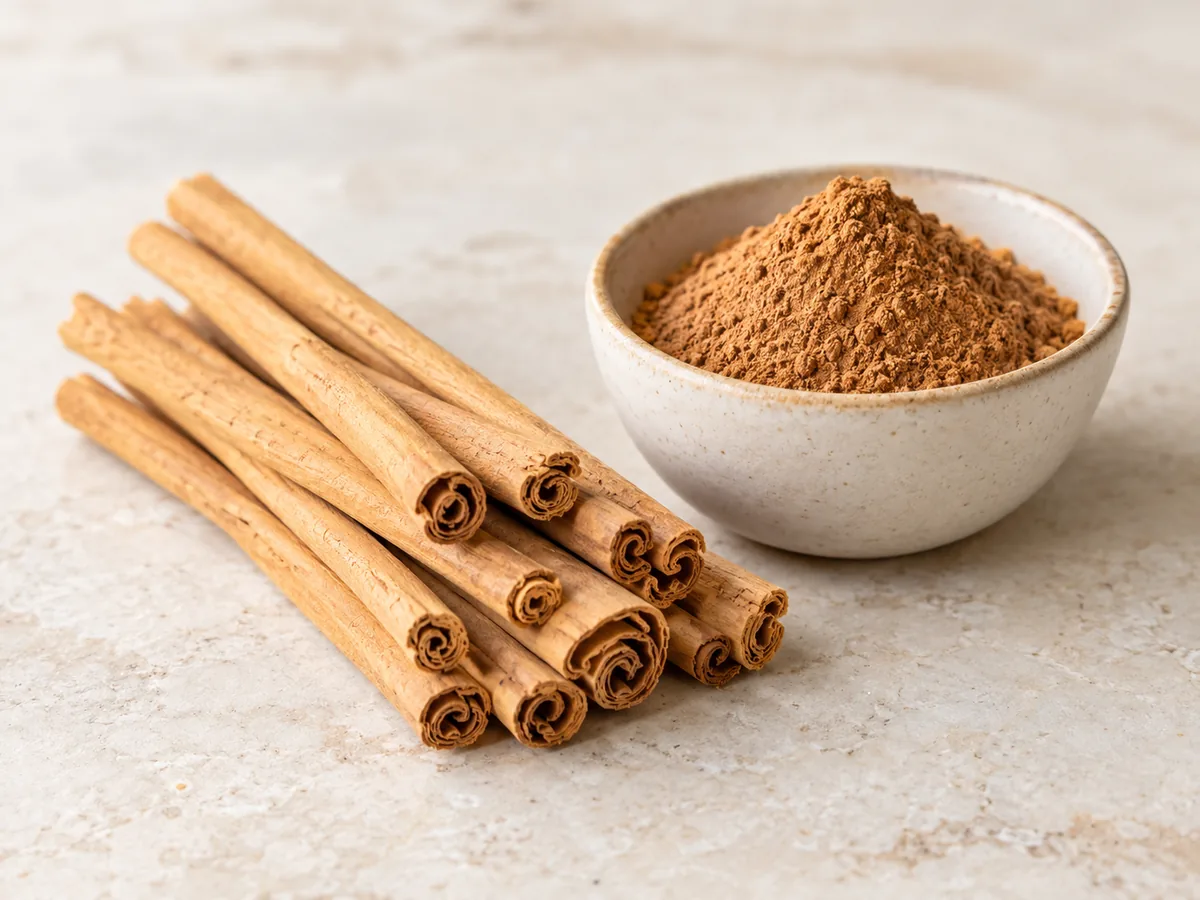
Why Does Sri Lanka Matter for Ceylon Cinnamon?
Because the name points there. The European Union recognized Ceylon cinnamon as a protected geographical indication in February 2022, tying the name to its Sri Lankan origin. UNIDO helped Sri Lanka’s producers with the process. It says the EU recognizes the product as having exclusive quality from its specific origin (UNIDO on the EU geographical indication). That rule applies in the EU, not on a US shelf.
For a US buyer, the practical point is simpler. NCCIH says cassia comes from southeastern Asia and is the type most commonly sold in North America. So a stated Sri Lankan origin is a useful clue, though not proof by itself. None of the sources we reviewed compares flavor between countries, so we make no such claim.
How Can You Tell Ceylon Cinnamon Is Fresh?
Check the pack before you open it, then check the spice after. Before opening, look for a sealed pack, a packing date, and quills that look whole and dry. The StreetInsider release adds a simple warning: avoid anything with mold, wet spots, or a damp smell. In our view, a pack that is mostly dust and tiny shards usually reflects rough handling or a lower grade.
After opening, use your nose and your fingers. Tasting Table describes Ceylon sticks as pale brown, with a milder aroma than cassia, and says true quills snap easily. A mild smell is normal, so ask whether it is sweet and clear or flat and dusty. The Spice House says whole sticks last about 2 to 3 years. Ground cinnamon loses its oils and aroma over time, so it suggests replacing it every 6 to 12 months (The Spice House’s guide to cinnamon).
Keep it airtight, cool, and out of the light. Our cinnamon powder buying guide covers the ground form.
Which Ceylon Cinnamon Is Worth the Money?
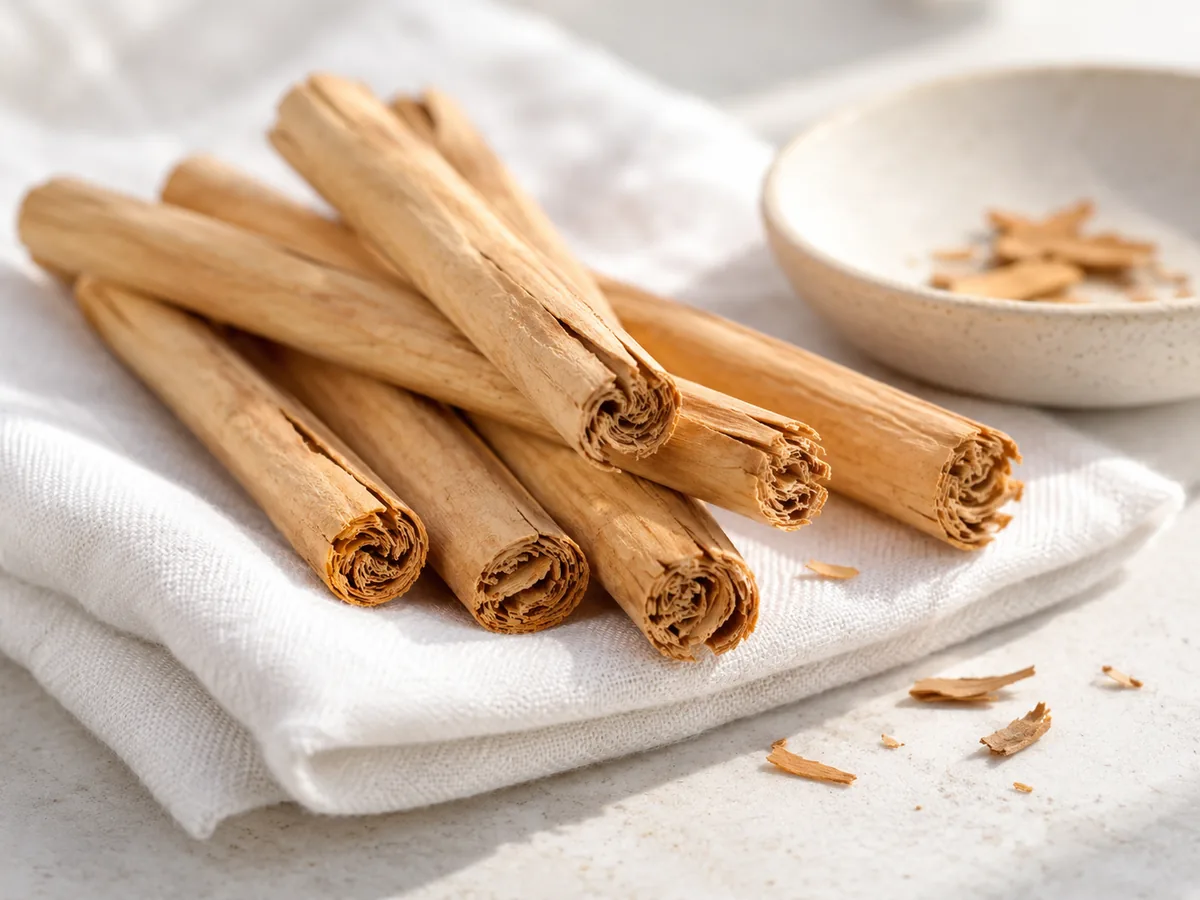
The one that matches how you cook. For tea, mulled drinks, and slow simmers, the quills get strained out, so thicker grades do the job. For a gift jar, a plated dessert, or a recipe where you want the finest look, a thin Alba quill earns its premium. Broken pieces suit grinding. That is our view, not a rule from the sources.
Compare unit prices, not sticker prices. Mivoro’s cinnamon category page lists the standard sticks from $8.99 to $27.99 in October 2026. The Alba sticks run from $9.99 to $28.99, and sizes include 50g, 100g, and 500g. Divide the price by the weight in each size and you can see whether the bigger pack saves money. A bigger pack only helps if you will use it while it is fresh.
Frequently Asked Questions
What separates good Ceylon cinnamon from cheap Ceylon cinnamon?
Good stock is whole, thin, layered quills that are pale brown and smell sweet and warm. Cheap stock is often broken pieces or coarse grades, and it can be stale or cassia sold under a vague label. A low price alone does not tell you which, so check the label and the grade.
What do the grades actually mean?
They describe the diameter and form of the quills, not a flavor score. Alba is the thinnest, C grades are mid range, and the M and H grades are coarser. Quillings, featherings, and chips are broken pieces. Grade names are trade terms, so ask the seller for the diameter.
How can you judge freshness before you open it?
Look for a sealed pack, a packing date, intact quills, and no sign of damp or mold. You cannot smell through a sealed bag, so the date and the seller’s storage practices count for more. Once you open it, the smell should be sweet and clear, not musty.
Does country of origin change the quality?
Ceylon cinnamon is tied to Sri Lanka, and the EU protects the name Ceylon cinnamon as a geographical indication. None of the sources we reviewed ranks countries by flavor. Origin mostly tells you whether the label can be trusted.
What should a label tell you, and what is missing when it does not?
It should name the species, such as Ceylon or Cinnamomum verum, plus the country of origin, a net weight, and ideally a grade and packing date. If it says only cinnamon, the species is unknown. If a date or origin is missing, ask the seller before you buy.
A Note on Sourcing
You can browse the full range in the Mivoro shop. This guide summarizes published sources and our own product pages, and it makes no health claims about any Mivoro product. Grade names and diameters vary between exporters, so confirm the details with any seller. Prices and sizes match the listings in October 2026 and can change.
This article shares general buying information, not medical advice. It does not diagnose, treat, cure, or prevent any disease. Talk to a healthcare provider before adding cinnamon to your routine, especially if you are pregnant, nursing, managing a health condition, or taking medication.