
Ceylon cinnamon sourcing starts in Sri Lanka, where workers peel the bark of Cinnamomum verum, roll it into quills, and dry it before it reaches a jar. This guide follows that path, shows how often labels and contents fail to match, and sets out what Mivoro says about its own supply.
By Carl J., Owner, Mivoro · Last updated 06 November 2026
Where Does Real Ceylon Cinnamon Come From?
Real Ceylon cinnamon is native to Sri Lanka. Healthline says it is native to Sri Lanka and southern parts of India, while cassia originated in southern China (Healthline’s Ceylon vs cassia guide). Sri Lanka’s Export Development Board calls the tree indigenous to the island. It adds that Ceylon cinnamon became a Protected Geographical Indication in the EU on 2 February 2022 (Export Development Board on the geographical indication).
That protection has a practical meaning. The board says only packs of 100% pure Ceylon cinnamon grown, processed, and manufactured in Sri Lanka may carry the mark. In the U.S., the label is less helpful. WebMD notes that both types are sold simply as cinnamon here, and that you may need a specialty spice shop to be sure (WebMD on Ceylon cinnamon). Our guide to where to buy Ceylon cinnamon covers what to look for.
How Is Ceylon Cinnamon Harvested and Processed?
By hand, and quickly. The Export Development Board says growers harvest twice a year, right after the two monsoon seasons, with the first harvest three years after planting. Stems are ready when the bark turns brown and the stick measures roughly 3 to 5 cm across. Growers strip off the branches and leaves first and peel the stems the same day (Export Development Board on processing Ceylon cinnamon).
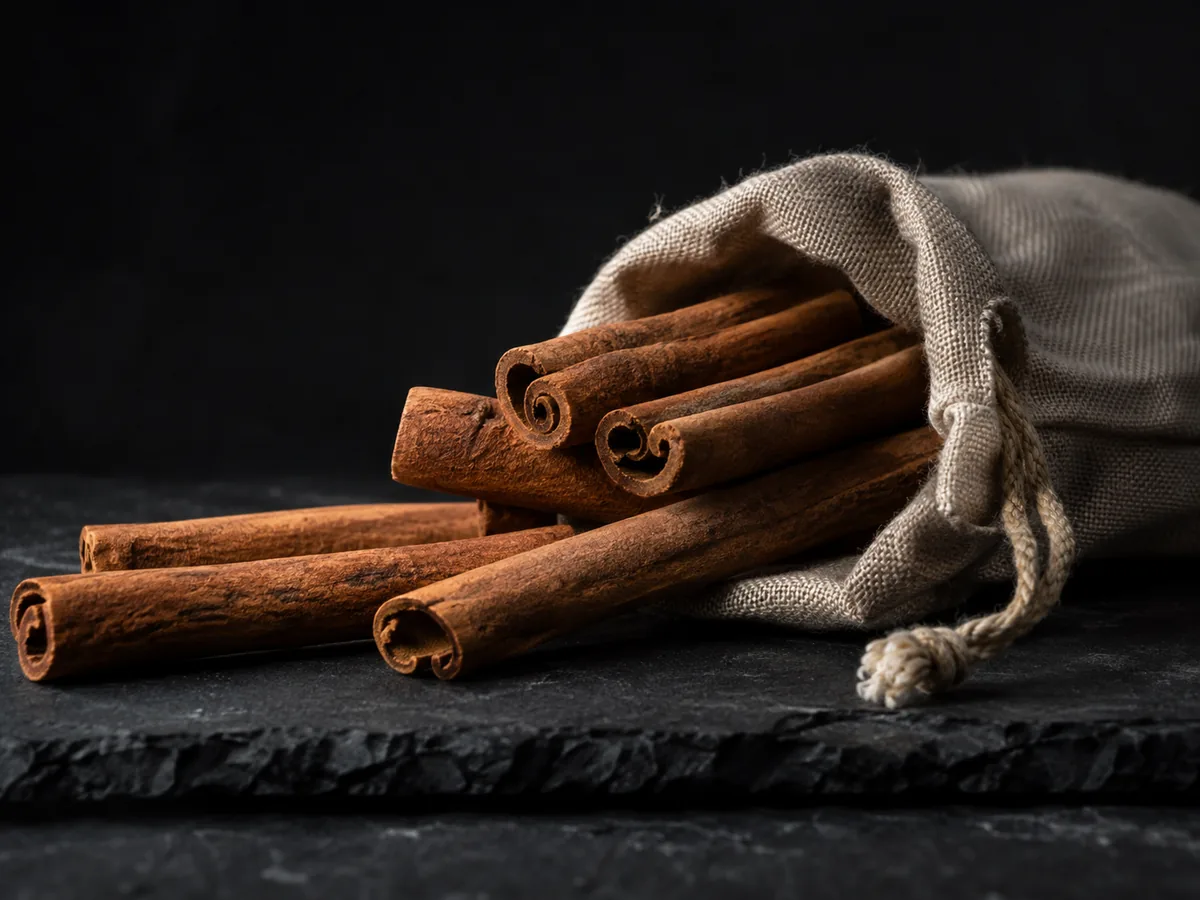
A skilled peeler then scrapes off the rough outer bark with traditional tools. The peeler rubs the inner bark with a brass rod to smooth it and loosen it from the wood, and two parallel cuts free it in one piece. The thin strips slide inside one another and overlap end to end to form a quill. That layering is the craft behind every stick we sell.
How Do You Know a Spice Is Pure?
By testing, not by the label. In 2025, the EU’s Joint Research Centre analyzed 104 cinnamon samples from the European market. Food Ingredients First reports that 9% of the samples labeled Ceylon were fully or partly cassia, and that 21% of samples failed international standards because of high ash content. More than two thirds had at least one problem of some kind (Food Ingredients First on the JRC cinnamon report).
Those are European figures, and they say nothing about any single brand, ours included. What they show is that a label alone is not proof. A lab result is. Nobody can confirm species or fillers at the kitchen table, so the useful question for any seller is what a lab checked, who ran the check, and which lot it covered. Our guide to checking Ceylon cinnamon authenticity covers what a buyer can verify.
What Does Mivoro Say About Its Own Sourcing?
Our About page says we work directly with Sri Lankan growers, and that our cinnamon is fresh, traceable, and fairly sourced. It also says the cinnamon is always true Ceylon, never cassia, never blended, and never bulked out with fillers, and that we handle it in smaller, fresher batches.
Those are our statements about our own supply chain. Judge them the way you would judge any seller’s, and use the questions in this guide to press us on them. You can see the result in our Ceylon cinnamon sticks, our finer Alba Ceylon cinnamon sticks, and our Ceylon cinnamon powder.
Frequently Asked Questions
Where is it grown, and does the region change the result?
Our product pages place it in southern Sri Lanka, and none of our pages names a district. The geographical indication covers the whole country and names no regions either. We found no source showing that one growing area tastes different from another. The board instead credits the method of processing and curing for the characteristic flavor of Ceylon cinnamon.
How does it get from bark to the jar?
Once the quills are rolled, the board says they rest under cover to ferment for about a day, then dry indoors on racks for four to seven days. Workers cut the dried quills to a set length and pack them, or grind them into powder. Our Alba page says its sticks are hand rolled and freshly packed in Sri Lanka. We do not publish further steps between packing and your order.
What does single origin mean here, and why does it matter?
It means our cinnamon comes from one country, Sri Lanka, and not from one named farm. It matters because one country is easier to trace than a blend of lots from several. Single origin is a claim about where the spice comes from, not about what is in the pack. It narrows the question, and only testing answers it.
How is each batch checked before it ships?
Our website says only that batches are small and stored with care. It does not describe a lab testing program or publish batch results, and we will not claim one here. If a lot matters to you, ask any seller to name the properties checked, such as species, coumarin, ash, or lead, the lab behind the report, and whether it covers your lot.
What would adulteration look like, and how do you spot it?
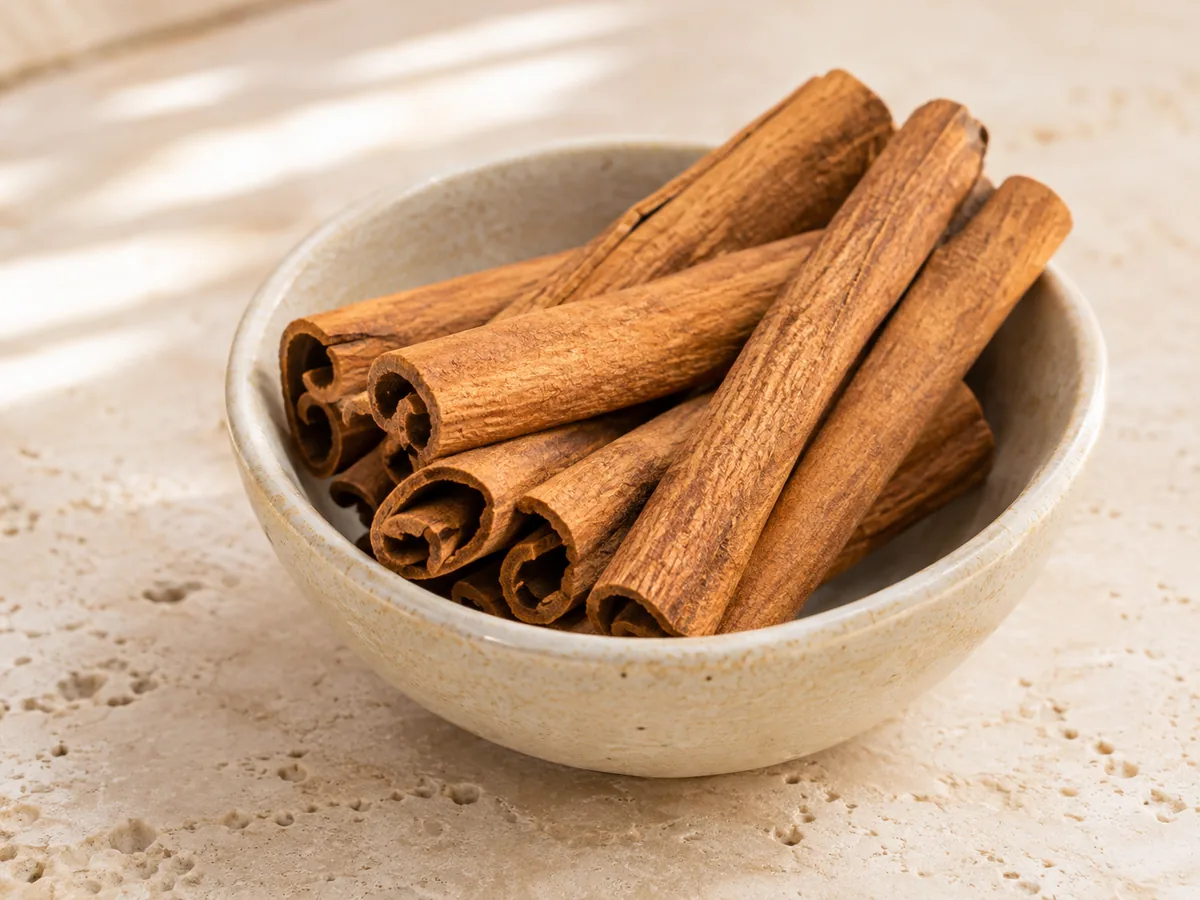
It usually means one of two things: swapping in a cheaper cinnamon, or adding a cheaper material to ground spice. Whole quills make swaps easier to spot. Healthline describes Ceylon as tan brown with many tight, soft layers, and cassia as dark red brown, thicker, and rougher. Powder hides all of that. You cannot reliably see or taste fillers at home, so ground spice without a lab result leaves you taking it on trust.
A Note on Sourcing
You can browse the full range in the Mivoro shop. This guide draws on published sources and our own website, and it makes no health claims about any Mivoro product. The European figures describe samples from the EU market and do not describe any one brand. Our own statements reflect our website in November 2026.
This article shares general information about sourcing and buying, not medical advice.