
Superfood powders turn dried, ground plants into an easy way to add greens or spices to food. The right one depends on what you want from it, such as a mild green, more protein, or caffeine. For most people, a single ingredient powder with a short, clear label is the simplest place to start.
By Carl J., Owner, Mivoro · Last updated 12 October 2026
Which Superfood Powder Should You Choose?
Choose by the job you want it to do. Moringa is a mild, caffeine free green that disappears into smoothies and soups. Spirulina carries more protein per gram. Matcha brings caffeine and a stronger tea flavor. Ceylon cinnamon works more as a sweet spice than a green. Pick one single ingredient powder first, and add another only once you know you like it.
Be wary of the word itself. Dietitian Lauren Manaker notes that no governing body regulates the term superfood. She also warns that products sold under the label may not offer much nutrient density (Eat This, Not That’s dietitian explainer on superfoods). Treat superfood as a shelf category, not a quality mark.
We sell only two powders at Mivoro, moringa leaf and Ceylon cinnamon. That means we have no stake in spirulina or matcha, but it also means our view of them is secondhand. The comparisons below come from published sources. If a seasoning powder suits you better than a green one, our guide to Ceylon and cassia cinnamon powder explains the difference.
What Is the Difference Between Moringa and Other Green Powders?
Moringa is a leaf powder with a mild, grassy flavor and no caffeine. Spirulina is an algae powder with more protein per gram. Matcha is ground green tea, so it carries caffeine. Kale and spinach powders sit nearest to moringa as leafy greens. Each fills a different role, and none replaces a varied diet.
A comparison page from the moringa brand Powered By Moringa puts dried spirulina at about 57 g of protein per 100 g, citing USDA data. It puts dried moringa leaf at about 25 to 30 g, citing a 2015 review (Powered By Moringa’s comparison of moringa and other superfoods). The page also notes that matcha contains caffeine and moringa does not. The site sells its own multi ingredient powder, so read it as one voice, not a neutral referee.
Cleveland Clinic describes moringa leaf as a nutrient dense leafy green, similar to spinach. It says the powder tastes grassier, like matcha, while fresh leaves taste bitter and peppery (Cleveland Clinic’s introduction to moringa). The article is candid about the evidence. It says claims from supplement makers lack strong support and that moringa does not prevent or cure any illness. Our own summary of moringa powder research takes the same careful line.
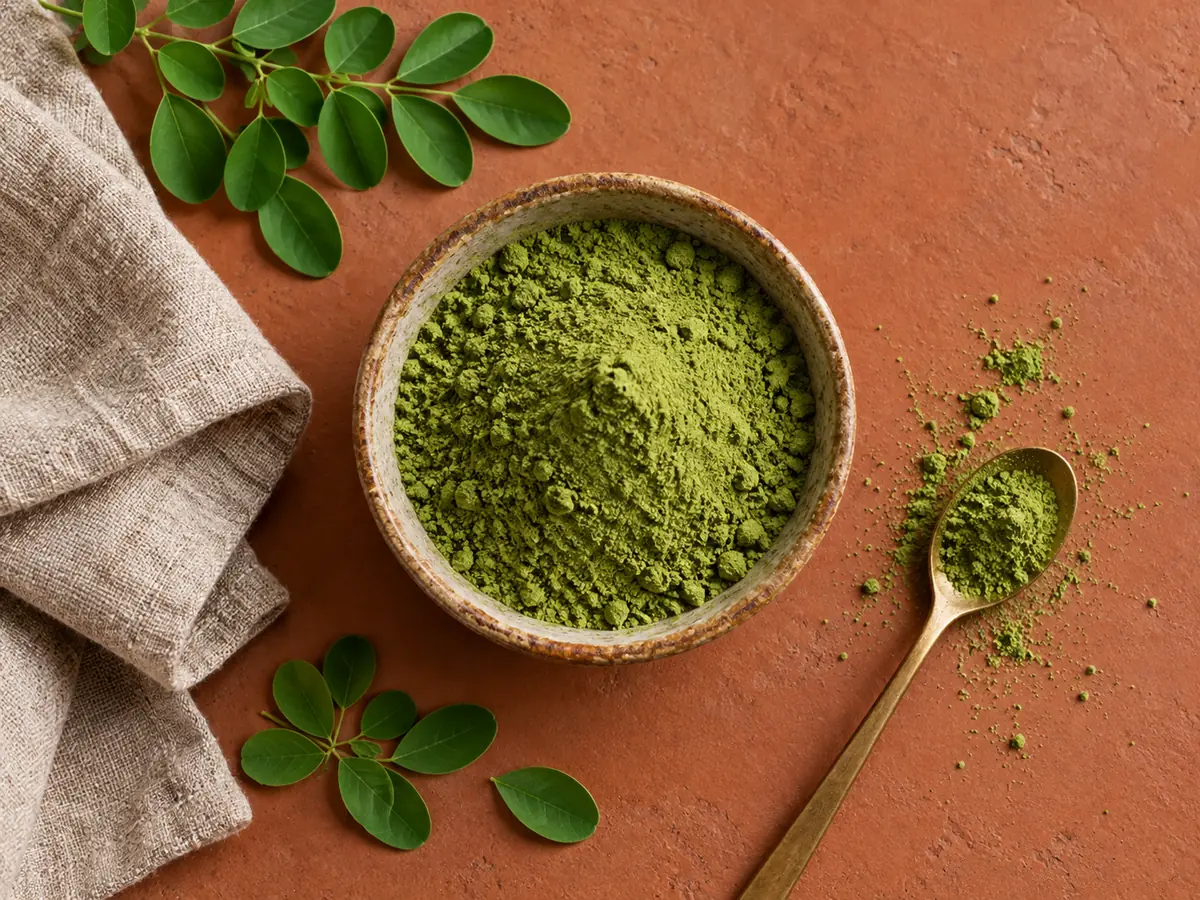
WebMD explains that moringa powder comes from grinding dried leaves and keeps for many months without refrigeration. It advises talking to a healthcare provider before trying it as a supplement (WebMD’s moringa powder overview). Cleveland Clinic adds that pregnant or breastfeeding people should check with an OB/GYN first. It also lists blood thinners, blood pressure drugs, statins, diabetes drugs, and thyroid drugs as reasons to ask a provider. Too much of any fiber rich green can cause cramps or gas.
Single Ingredient Powders or Blends: Which Is Better?
Neither wins in every case, but single ingredient powders are easier to judge. The label names one plant, so you know what you are paying for. Blends can be convenient. The catch is that a proprietary blend on a supplement label lists only the combined weight, not the amount of each ingredient.
Operation Supplement Safety, a Department of Defense program, explains that blends are an exception to the rule that labels list each ingredient’s weight. Only the total combined amount of the blend has to appear (OPSS explanation of proprietary blends). That makes it hard to tell whether the ingredient you bought the product for is a real share or a sprinkle.
A single powder also makes it easier to notice how something new sits with you. If you add one powder at a time, any change has one possible cause. The trade is convenience, since you measure each powder on its own. Blends are not bad. They can suit a ready made drink mix. The point is to read the label and not assume.
What Should You Check Before Buying a Superfood Powder?
Read the ingredient list first. It should name one plant, ideally with the botanical name, and list nothing else. Then check the origin, the processing, the storage advice, and what the seller says about certification and testing. A vague label is a reason to look elsewhere.
Start with origin and processing. A good seller can tell you where the plant grew and how the seller dried and milled it. Mivoro’s Premium Moringa Powder, for example, comes from leaves grown and processed in Sri Lanka. The leaves go through full drying, crushing, and fine milling, with nothing added. Our guide to choosing a moringa leaf powder goes deeper on that one.
Next, look at organic claims. Organic certification means a third party has verified how the crop was grown. If it matters to you, look for an actual USDA Organic seal or a recognized certifier’s mark, not words like natural or pure. To be plain about our range, neither Mivoro powder is certified organic.
Testing matters too. Some sellers publish third party lab results. Mivoro does not currently publish them, so we do not claim anything we cannot show. Ask any seller what they have tested and what they have not.
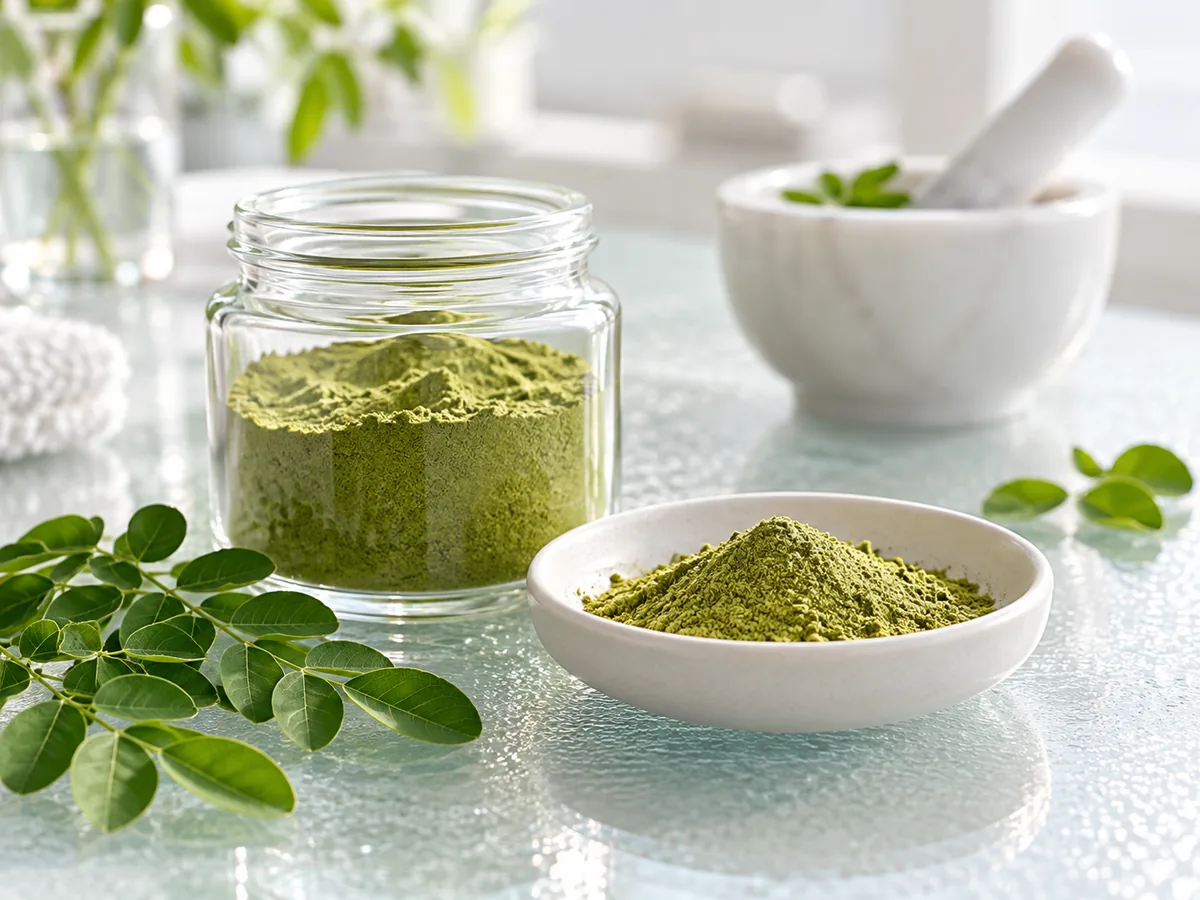
Finally, think about freshness and cost. A vivid natural color and a fresh smell are good signs, though color alone proves little. Store the powder airtight in a cool, dry place away from sunlight. Compare the price per gram, not the price per bag.
Frequently Asked Questions
Which powder should I start with?
Start with the one you will actually use. If you want a mild green for smoothies, moringa is an easy first pick. If you want a sweet spice for coffee and oatmeal, try Ceylon cinnamon. Add one new powder at a time.
How does moringa compare with other green powders?
Moringa is a leafy green powder with a mild, grassy taste and no caffeine. Spirulina has more protein per gram, and matcha has caffeine. None replaces a varied diet, and the evidence behind health claims for most of them is still limited.
Are single ingredient powders better than blends?
They are easier to judge, because the label names one plant and you know what you are buying. Blends offer convenience but may list only a combined weight, which hides how much of each ingredient you get.
What should I look for on the label when buying?
Look for one named ingredient, a stated origin, and no added fillers. Treat organic claims as real only when a certifier’s seal backs them. Ask the seller what they have tested and what they have not.
How are your powders processed and packaged?
Our moringa leaves go through full drying, crushing, and fine milling in Sri Lanka, with nothing added. Our Ceylon cinnamon powder is 100 percent Ceylon cinnamon from Sri Lanka, with no cassia and no additives. Both come in 50g and 100g pouches. Store them airtight in a cool, dry place away from sunlight.
A Note on Sourcing
Mivoro sells two powders, Premium Moringa Powder and Ceylon Cinnamon Powder. Both are single ingredient and both come from Sri Lanka. You can see them in the Mivoro shop. Neither is certified organic, and Mivoro does not currently publish third party lab results. This article summarizes published sources and makes no health claims about any Mivoro product.
This article shares general nutrition information, not medical advice. It does not diagnose, treat, cure, or prevent any disease. Talk to a healthcare provider before adding a new powder to your routine, especially if you are pregnant, nursing, managing a health condition, or taking medication.